- ホーム
- ...
- トレンドとインサイト
- The future is lightweight: Thinner and more sustainable labels
The future is lightweight: Thinner and more sustainable labels
The packaging industry is undergoing a significant transformation, spurred by the growing awareness of environmental issues and the pressing need for sustainable solutions. Thinner and lighter labels are at the forefront of this change, promising to reduce the environmental impact while maintaining, if not enhancing, the functionality and appeal of packaging. Designed with less raw material usage, these innovative labels are setting a new standard for sustainability and efficiency in various industries.
Slimming down to green up
Imagine a label that uses less but delivers more—that's exactly what thinner and lighter labels are all about. By streamlining the resources needed for production, these labels inherently trim down the amount of waste generated. They are crafted from paper and film materials that demand less oil, water, and energy during manufacturing, carving out a smaller carbon footprint compared to their conventional counterparts.
The benefits of using these eco-friendlier labels are multifaceted:
- Resource Efficiency: Thinner labels require fewer raw materials in their production, signifying a more judicious use of resources.
- Less Waste: With every label taking up minimal space, the waste generated is significantly decreased.
- Operational Gains: Carrying more labels per roll cuts down on transportation costs, reduces carbon emissions, and offers operational efficiencies, such as fewer roll changes and a decrease in storage requirements.
To put things into perspective, thinner and lighter labels can boast efficient constructions that are significantly slimmer than traditional alternatives, empowering brands with an opportunity to showcase environmental commitment without compromising on label performance or aesthetics.


Versatility meets sustainability
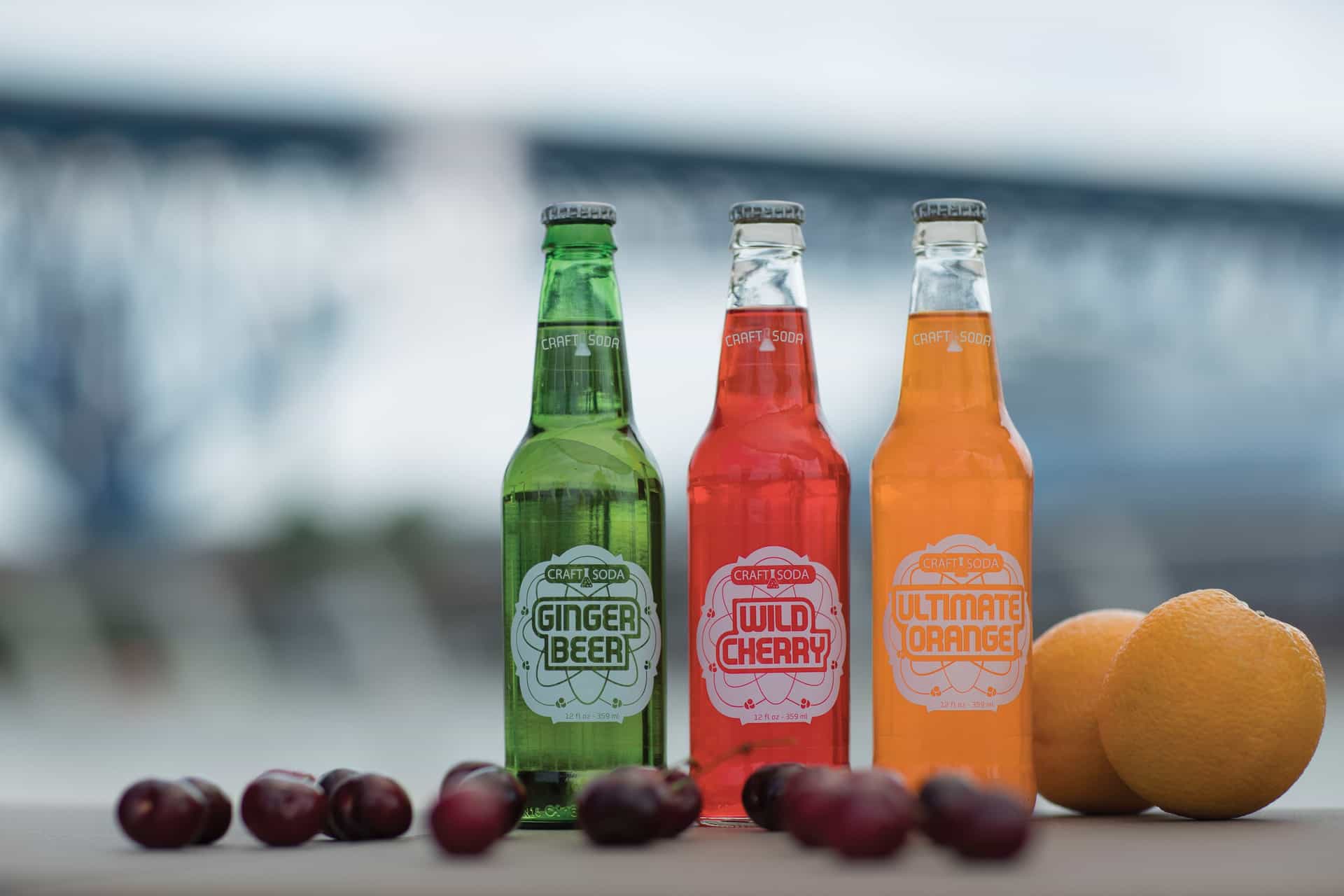
What makes these labels even more compelling is their versatility. Rigid films such as PP40 offer the necessary stiffness for labeling on hard containers like glass and PET. For semi-squeeze bottles, Avery Dennison’s Flex+ solution could do the trick, blending rigidity and conformability for a perfect balance of function and visual appeal. PE75 is made thinner but still provides the adaptability to conform to contoured and flexible containers commonly found in personal care products. Moreover, the availability of thin liners further complements the overall slim construction, reinforcing the lightweight narrative.
The adoption of thinner, lighter labels could potentially have the most pronounced effect in industries where packaging plays a pivotal role. The food and beverage sector, alongside homecare and personal care industries, stands to gain considerably from these advancements.
Here's why these industries can particularly benefit:
- Food and Beverage: The volume of products produced and sold in this segment means that even marginal reductions in label thickness and weight can lead to substantial environmental gains across the supply chain.
- Homecare and Personal Care: Products in these categories often rely on attractive and functional packaging as part of their market appeal. Thinner labels offer a way to enhance visual appeal without the environmental baggage.
In conclusion
Adopting thinner and lighter labels is not just a step toward eco-friendliness—it is a leap into the future of sustainable packaging. By integrating these innovative labels into their products, companies can not only lessen their environmental impact but also introduce a level of operational efficiency that benefits everyone in the supply chain, from manufacturer to consumer.
To everyone in the packaging industry, from food to personal care — it's time to come together and make an impactful change. The move towards thinner and lighter labels promises to be not just a trend but a revolution, shaping a greener, more conscientious approach to packaging that we can all be proud of.