- Home
- ...
- Trends and insights
- How ps innovation is shaping the future of sustainable packaging
How PS innovation is shaping the future of sustainable packaging
By Sun Xin, Marketing Director, Sustainability and Compliance
Sustainability in packaging has grown from a niche concern to a core priority for businesses and consumers alike. Today, packaging is not just a container for products; it’s a statement of brand values, a commitment to a better planet, and a critical component of the circular economy. Among the many aspects of sustainable packaging, labels are often overlooked. However, their role is both pivotal and transformational. From enabling recycling to enhancing brand visibility and consumer engagement, labels have a significant impact on achieving packaging sustainability.
This article explores how labels, specifically pressure-sensitive labels (PSLs), contribute to plastic circularity, packaging sustainability, and the broader goals of the circular economy.
Why labels matter in packaging sustainability
When we think of sustainable packaging, we often focus on materials like glass, metal, or recyclable plastics. Labels, however, play an essential role in the overall sustainability of packaging. They:
- Facilitate recycling: Labels can make or break the recycling process. For example, pressure-sensitive labels with "clean-release" properties ensure that the label and adhesive can be easily removed, allowing for higher-quality recycled materials without contamination.
- Communicate brand values: Labels signal a brand’s sustainability goals and educate consumers on proper recycling practices through clear instructions and sustainability certifications like FSC or Rainforest Alliance.
- Enhance circularity in packaging: Innovative label designs, such as wash-off labels for reusable containers, enable packaging to align with circular economy principles, reducing the need for virgin materials and lowering waste.
According to research by industry leaders like Avery Dennison, labels are no longer just decorative elements; they are a critical tool in achieving sustainable packaging goals.
The business imperative for sustainable labels
Pressure from key stakeholders
The push for sustainable labels is driven by evolving regulatory requirements, consumer preferences, and retailer demands. For example:
- Regulations: The EU's Packaging and Packaging Waste Directive (PPWR) mandates that 10% of beverage packaging must be reusable by 2030, with a goal of 40% by 2040. These targets push packaging manufacturers to adopt recyclable and reusable solutions.
- Consumer trends: Studies show that 31% of consumers view sustainable packaging as one of the top three ways brands can address environmental concerns, with many willing to pay a premium for eco-friendly options.
- Retail chain pressures: Retailers are demanding more recyclable and compostable packaging materials to align with their sustainability goals.
Competitive advantage
Sustainability isn’t just about compliance; it’s a competitive differentiator. Brands that adopt sustainable label solutions can:
- Enhance brand perception: Consumers are increasingly loyal to brands that showcase commitment to the environment.
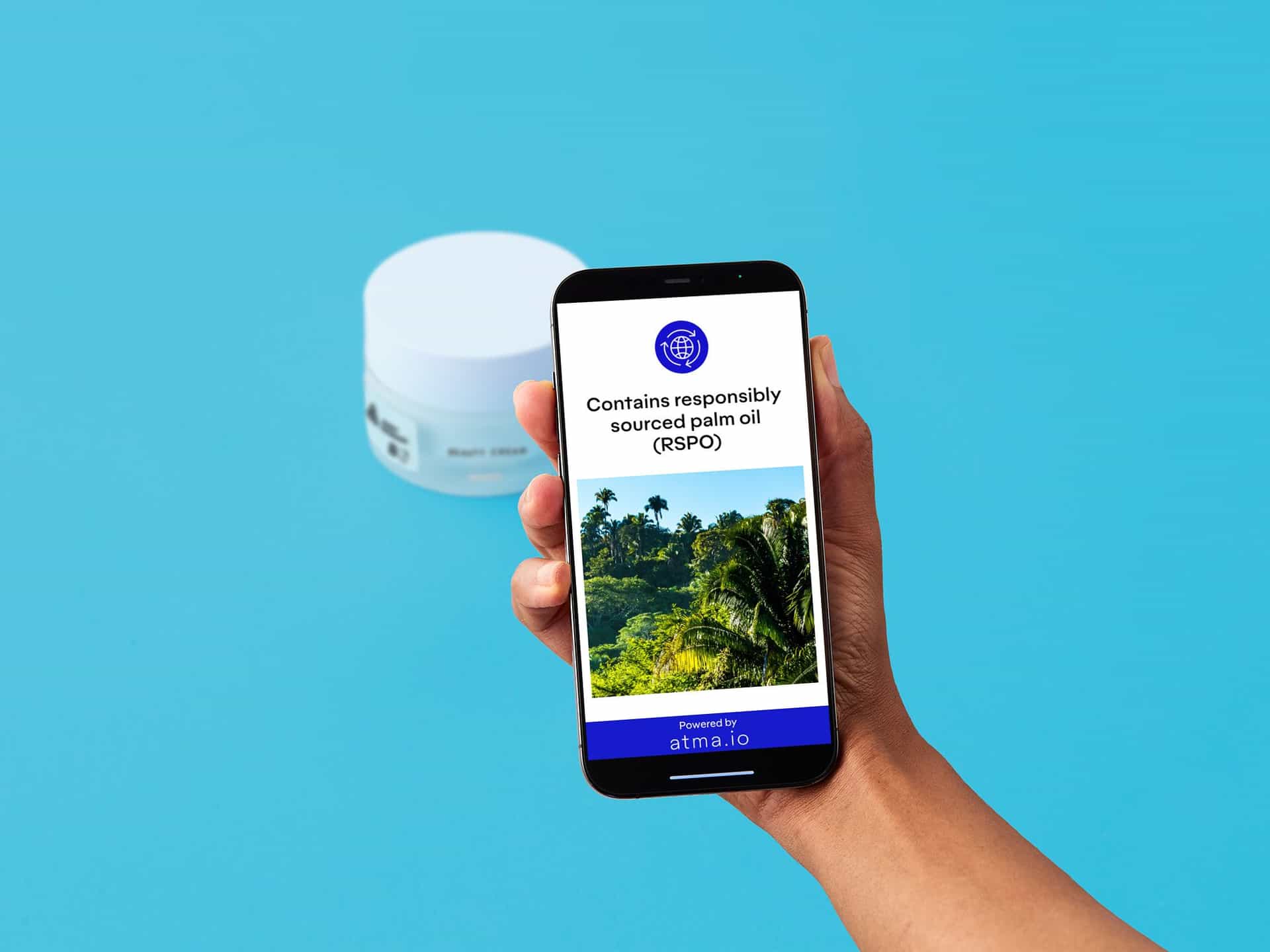
- Drive innovation: Unique, sustainable labeling solutions, such as smart labels that include QR codes or NFC technology, engage consumers in new and exciting ways while meeting transparency expectations.
- Attract talent: With employees gravitating towards companies that demonstrate corporate social responsibility, sustainability can also influence a brand’s ability to recruit top talent.
How pressure-sensitive labels enable packaging sustainability
Pressure-sensitive labels (PSLs) are rising to meet sustainability demands thanks to innovative features that align with circular economy principles. Here’s how they make an impact:
Clean-release properties for improved recycling
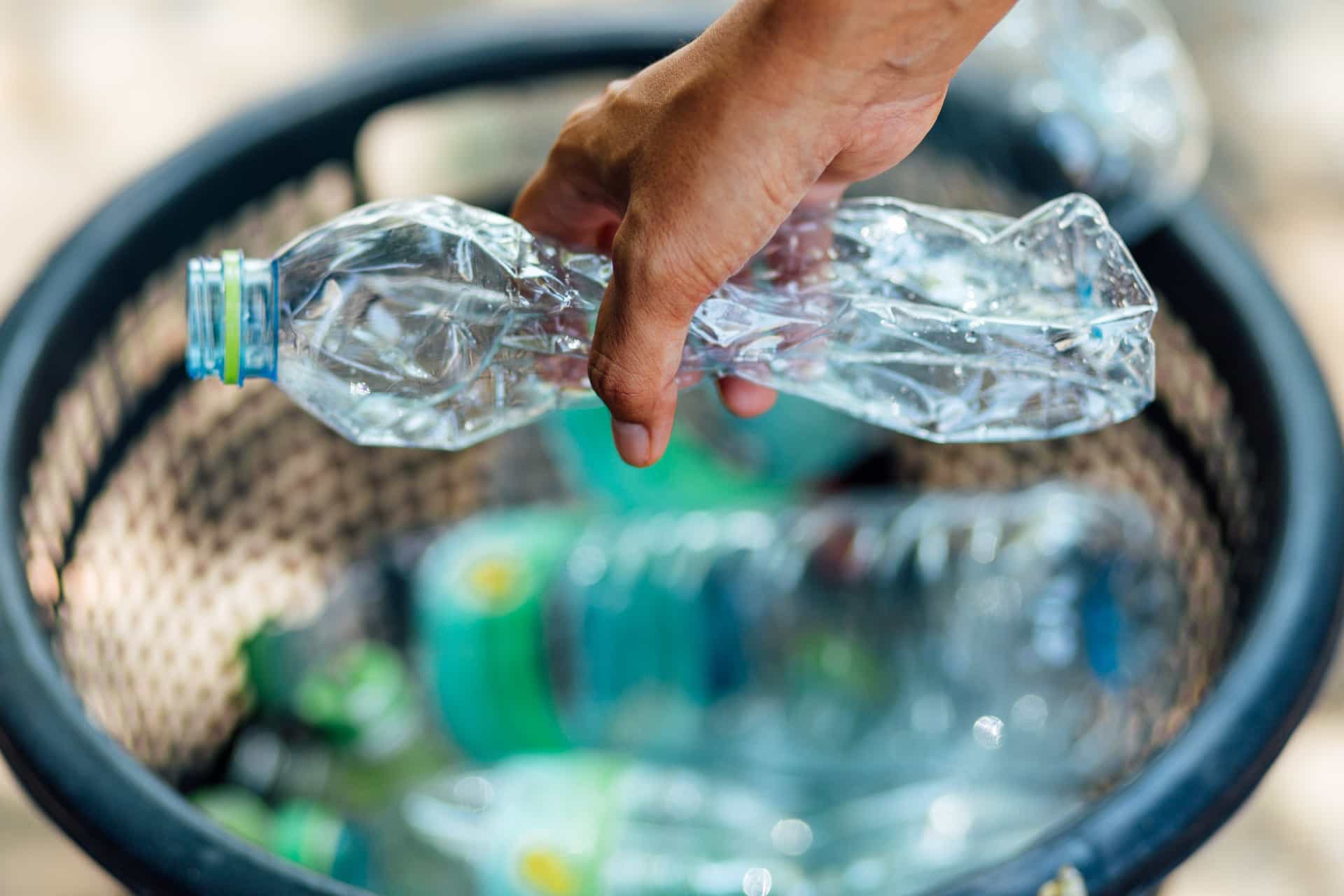
One of the biggest impediments to plastic recycling is contaminated materials, often caused by non-removable adhesives and ink in traditional labels. Pressure-sensitive labels with clean-release properties:
- Ensure better separation of labels and adhesives during recycling.
- Improve the quality of recycled materials like PET and HDPE, increasing the circularity of packaging.
- Contribute to reductions in greenhouse gas emissions by enabling more efficient recycling.
For example, a beverage company producing 10 billion bottles could reduce 2,000 tons of plastic waste per year by improving recycling rates by just 1%.
Wash-off labels for reuse/refill models
Reuse and refill models are gaining traction as consumers increasingly demand sustainable alternatives to single-use packaging. Wash-off pressure-sensitive labels are designed to:
- Easily release during the washing process, leaving behind cleaner packaging.
- Lower the energy, water, and chemicals needed for cleaning.
- Support durable, reusable containers, which are essential in reducing waste generation and increasing adoption of refillable packaging systems.
Versatility in material and design
PSLs can be applied to a wide range of substrates (plastics, glass, paper, or metal) and deliver unique performance features. Their design versatility allows for:
- Late-stage differentiation where brands can quickly update messaging or designs without a complete package redesign.
- Customization with unique materials, vibrant colors and creative shapes.
- Labels engineered to endure challenging conditions like extreme moisture or temperature changes.
Support for advanced recycling through smart packaging
PSLs are embracing future-facing technologies to enhance packaging sustainability. Key innovations include:
- Digitally enabled QR codes and RFID inlays for improved product traceability and interactive consumer engagement.
- Embedded sustainability messages and certifications to help consumers make informed decisions.
- Digital IDs that facilitate inventory management and reduce supply chain waste.
Challenges in scaling sustainable labels
While pressure-sensitive labels deliver unmatched benefits, they are not without challenges:
- Cost concerns: Sustainable PSLs may have higher upfront costs than traditional labels. However, their long-term benefits, such as efficiency in recycling and reduction of carbon footprint, often outweigh these initial expenses.
- Knowledge gap: Many brands and packaging engineers remain unaware of the advanced properties of sustainable PSLs and their potential to meet regulatory standards and consumer demands.
- Infrastructure variability: For these labels to realize their full potential, recycling infrastructure must keep pace with evolving packaging technologies.
The path forward for CPG brands
To fully leverage the benefits of sustainable label technology, brands should:
- Work with industry experts: Collaborate with trusted partners like Avery Dennison to identify the right materials, adhesives, and label designs tailored to specific business and sustainability goals.
- Educate their teams: Equip internal stakeholders with the knowledge they need to make informed decisions regarding labeling and sustainable practices.
- Invest strategically: Focus on scalable innovations like clean-release and wash-off labels to stay ahead of shifting regulations and consumer expectations.
- Communicate clearly: Use labels as a platform to educate consumers about their recycling options and share the brand’s commitment to sustainability.
Final thoughts
Labels may seem like a small detail, but their impact on packaging sustainability is profound. Pressure-sensitive labels, in particular, are transforming how brands approach plastic recycling and the broader goals of the circular economy.
By adopting sustainable label technology, brands don’t just comply with evolving environmental regulations; they also drive innovation, enhance consumer trust, and contribute meaningfully to a more sustainable future.
Explore the potential of these advancements in our latest white paper, filled with actionable insights and strategies for achieving sustainable success.