- Home
- Trends and insights
- Beyond the label: Helping brands navigate packaging circularity with confidence
Beyond the label: Helping brands navigate packaging circularity with confidence

As packaging regulations evolve and design-for-recycling requirements become more stringent, consumer packaged goods (CPG) brands face increasing pressure to make packaging decisions that balance sustainability goals, operational efficiency, brand impact and cost. Navigating these trade-offs requires not only the right materials but also the right expertise.
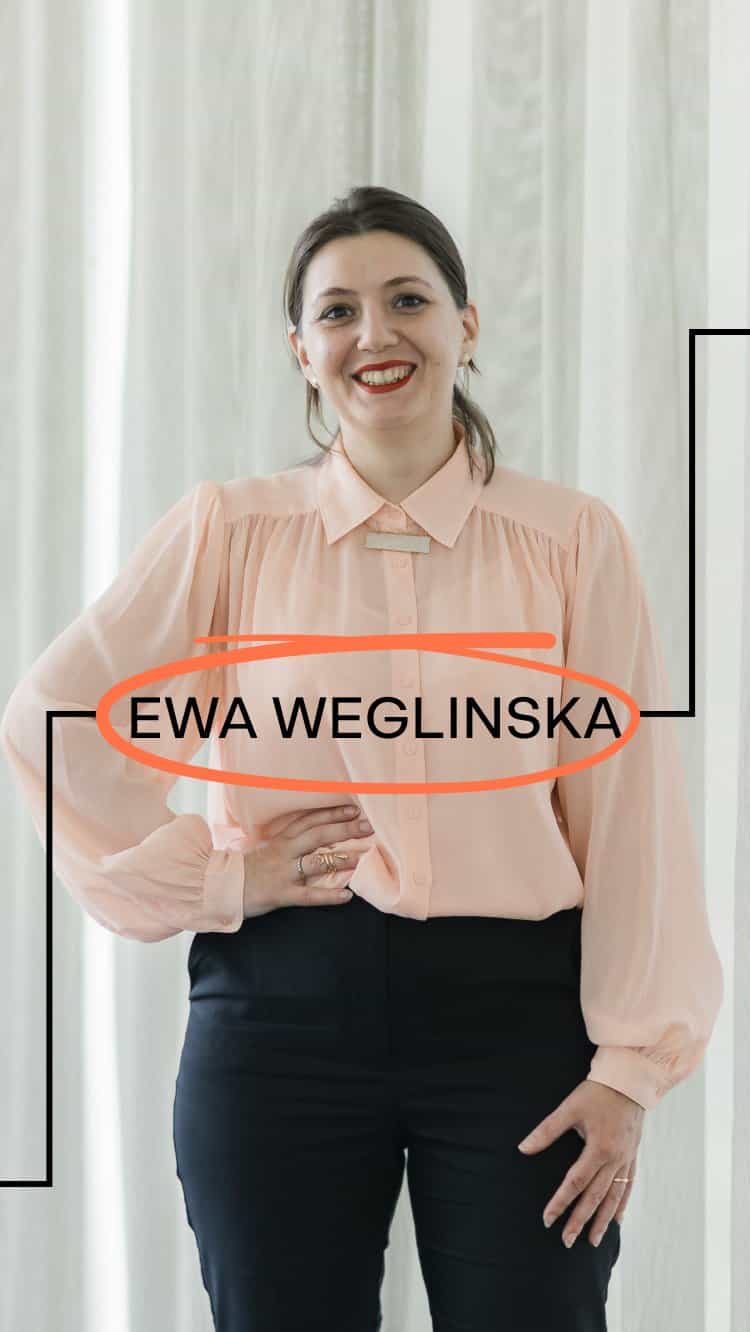
We sat down with Ewa Weglinska, marketing manager for paper label solutions at Avery Dennison Materials Group, to discuss how brands can make more informed packaging decisions while preparing for evolving recycling requirements.
Packaging performance without compromise
While circularity is becoming a key packaging priority, brands still need to meet operational and marketing objectives. According to Weglinska, pressure-sensitive labels (PSLs) can help balance these demands by supporting high-speed production, design flexibility and a wide range of material options.
“Pressure-sensitive labels have extremely high efficiency in production and processing,” Weglinska says. “You can apply the PSL in the beverage category as quickly as over a thousand units per minute. It can go very fast and you don't need to use additional heat like with other decoration technology.”
Beyond operational benefits, PSLs can also support brands looking to differentiate their packaging. Avery Dennison labels, including alternative facestocks such as flax fiber paper or materials incorporating byproducts from wine production, can create distinct shelf appeal while maintaining compatibility with recycling systems when appropriately designed.
''You can apply the PSL in the beverage category as quickly as over a thousand units per minute.''

Why every packaging component matters for recyclability
While labels often receive significant attention, the adhesive behind them can play an equally important role in determining whether packaging is successfully recycled.
Different packaging materials require different adhesive technologies to ensure labels do not interfere with the recycling process. While consumers rarely see them, adhesives can significantly influence how effectively packaging materials are recovered and reused.
“The adhesive selection is critical because it depends on where the label should be released,” Weglinska notes. “In the case of paper recycling, if there’s a paper label on paper packaging, this will all be pulped together. But the adhesive that’s bonding this label to the packaging should be screened out during the pulp filtering process — and of course not every adhesive can do it.”
For brands, understanding these technical nuances can be challenging. That’s why selecting packaging materials is increasingly about choosing partners with the expertise to evaluate recyclability across different packaging formats and regional recycling systems.
Navigating changing regulations with confidence
With the European Packaging and Packaging Waste Regulation (PPWR) tightening recycling performance criteria, compliance is a moving target. For many brands, understanding how evolving legislation will affect packaging strategies can be just as challenging as meeting the requirements themselves.
Rather than reacting to new regulations once they’re published, Avery Dennison actively participates in regional recycling organizations and industry initiatives that help shape future standards.
“We’re not only an observer, we get involved in the development of those guidelines,” Weglinska explains. “We bring technical expertise and practical industry experience to these conversations, helping provide context around how packaging materials and labeling technologies perform in real-world applications. This involvement gives us a strong understanding of how requirements are evolving, helping brands stay prepared as new guidance emerges. ”
This engagement gives Avery Dennison early insight into regulatory developments, helping brands make more informed packaging choices and prepare for future changes with greater confidence.
''We bring technical expertise and practical industry experience, helping provide context around how packaging materials and labeling technologies perform in real-world applications."
Looking beyond upfront costs
Material changes are often evaluated strictly through upfront procurement costs, but packaging decisions can carry broader financial implications. Choices that seem cost-effective today may become significantly more expensive as regulatory requirements evolve. One example is Extended Producer
Responsibility (EPR) fees. As packaging recyclability becomes increasingly tied to fee modulation under evolving regulations, the true cost of a packaging material is no longer just its purchase price but also the fees or savings associated with its recyclability performance.
Packaging that aligns with design-for-recycling requirements may qualify for more favorable fee categories, while packaging with poor recyclability performance may be subject to higher fees as eco-modulation is introduced. As a result, material choices are becoming increasingly important from both a sustainability and cost perspective. Highly recyclable packaging is already being rewarded with lower rates in systems such as the Netherlands, where fee differentiation is linked to recyclability performance.
To help brands navigate these trade-offs, Avery Dennison combines material expertise with technical testing capabilities that allow companies to better understand how packaging choices may influence recyclability performance, regulatory requirements and potential cost implications. These capabilities can also help evaluate how new materials are likely to perform throughout their lifecycle and within existing recycling systems.
“As EPR schemes evolve, packaging decisions can have a much greater financial impact than many organizations realize,” Weglinska notes. “We help brands understand those implications and evaluate options that support both recyclability goals and long-term cost efficiency.”
A proactive path to circularity
While legislation continues to evolve, brands already have access to established recycling guidelines that can help inform packaging decisions today, with further industry-aligned guidance expected from CEN
“There are already enough guidelines available from RecyClass, CETIE and 4evergreen to start evaluating your packaging," Weglinska urges. “Work with partners like Avery Dennison who have the localized technical expertise, prototyping capabilities and testing facilities to help you transition today.”
Rather than waiting for regulatory certainty, brands can begin assessing packaging performance now and identify opportunities to improve circularity before future requirements come into force.

Ready to discuss your project?
Let’s connect! Ewa Weglinska is ecosystem engagement manager at Avery Dennison Materials Group, focusing on packaging trends, FMCG brand engagement and circular packaging. Since joining in 2018, Ewa has worked with players across the label industry to address brand needs and broader ecosystem requirements.