- Home
- Trends and insights
- Performance first: Helping brands make better packaging decisions
Performance first: Helping brands make better packaging decisions

For consumer packaged goods (CPG) brands, changing packaging materials can create a difficult balancing act. A solution may support recyclability goals, but it still needs to to protect the product, run reliably on production lines and maintain the required brand and consumer experience.
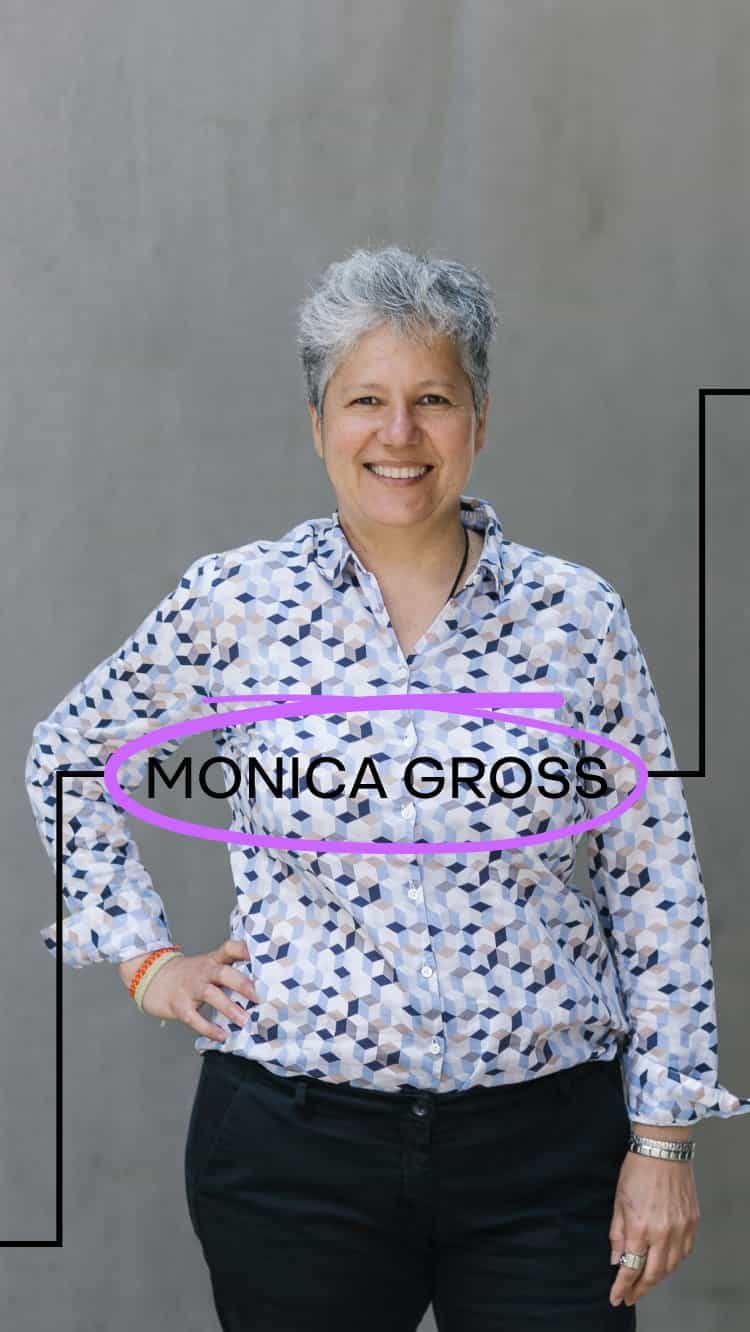
Monica Gross, ecosystem engagement manager at Avery Dennison Materials Group, believes packaging performance should be considered across the complete system rather than a single material attribute.
“Packaging has to do many jobs at once,” Monica says. “It needs to protect the product, perform in production, represent the brand and support the intended end-of-life pathway.
We spoke with Monica about how CPG brands can balance performance, recyclability and operational requirements when making packaging and label decisions.
Looking at the complete packaging system
Packaging performance is often understood as durability. In practice, it covers every stage of the packaging lifecycle.
The pack must protect the product and provide clear information for safe use. It must run efficiently through filling, sealing and labeling operations. It must also maintain its appearance through distribution and use.
Labels play a role in each of these areas. They need to dispense reliably on production lines, remain legible under expected conditions and support the brand experience.
“We have to move past the idea that sustainability and performance are two different goals competing for the same budget,” says Monica. “They aren’t.”
For brands, the challenge is therefore not to prioritize one requirement at the expense of another. It is to select a complete packaging construction that performs its intended function while supporting operational, regulatory and end-of-life objectives.
''We have to move past the idea that sustainability and performance are two different goals competing for the same budget."
Why early label choices matter
Under the Packaging and Packaging Waste Regulation (PPWR), packaging will be assessed against design-for-recycling criteria and recyclability performance grades. Labels, adhesives, inks and decoration methods can all influence that assessment.
This makes it important to consider the label early in the packaging development process rather than treating it as a final decoration choice.
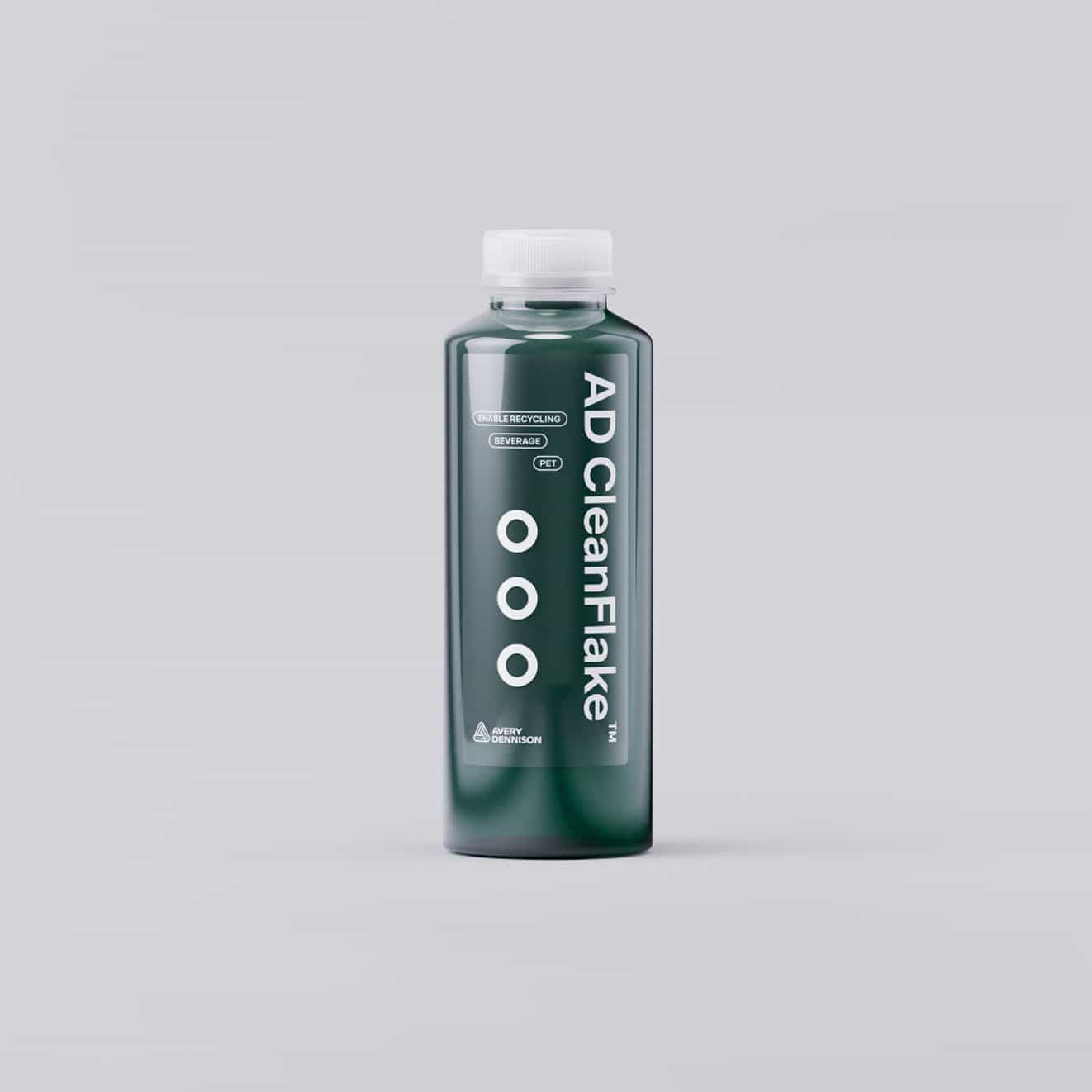
“Selecting the wrong label early in development can have a domino effect,” Monica explains. “For instance, an adhesive that does not separate as intended can affect PET or HDPE recycling streams.”
The exact impact depends on the complete packaging system and the intended recycling pathway. No single label can guarantee regulatory compliance, a recyclability grade or a lower extended producer responsibility fee.
However, early collaboration gives brand, packaging, procurement and operations teams more time to test the construction, review technical evidence and resolve potential performance issues before launch.
Balancing performance and end-of-life requirements
A label material may offer recycled content, reduced material use or compatibility with a particular recycling process, but it must still work in the application.
Different pack formats, label sizes, substrates and production conditions can create different technical demands. Trials and qualification are particularly important when brands change an existing construction or introduce a more complex format.
“When we talk about right-sizing, we’re really talking about precision,” says Monica.
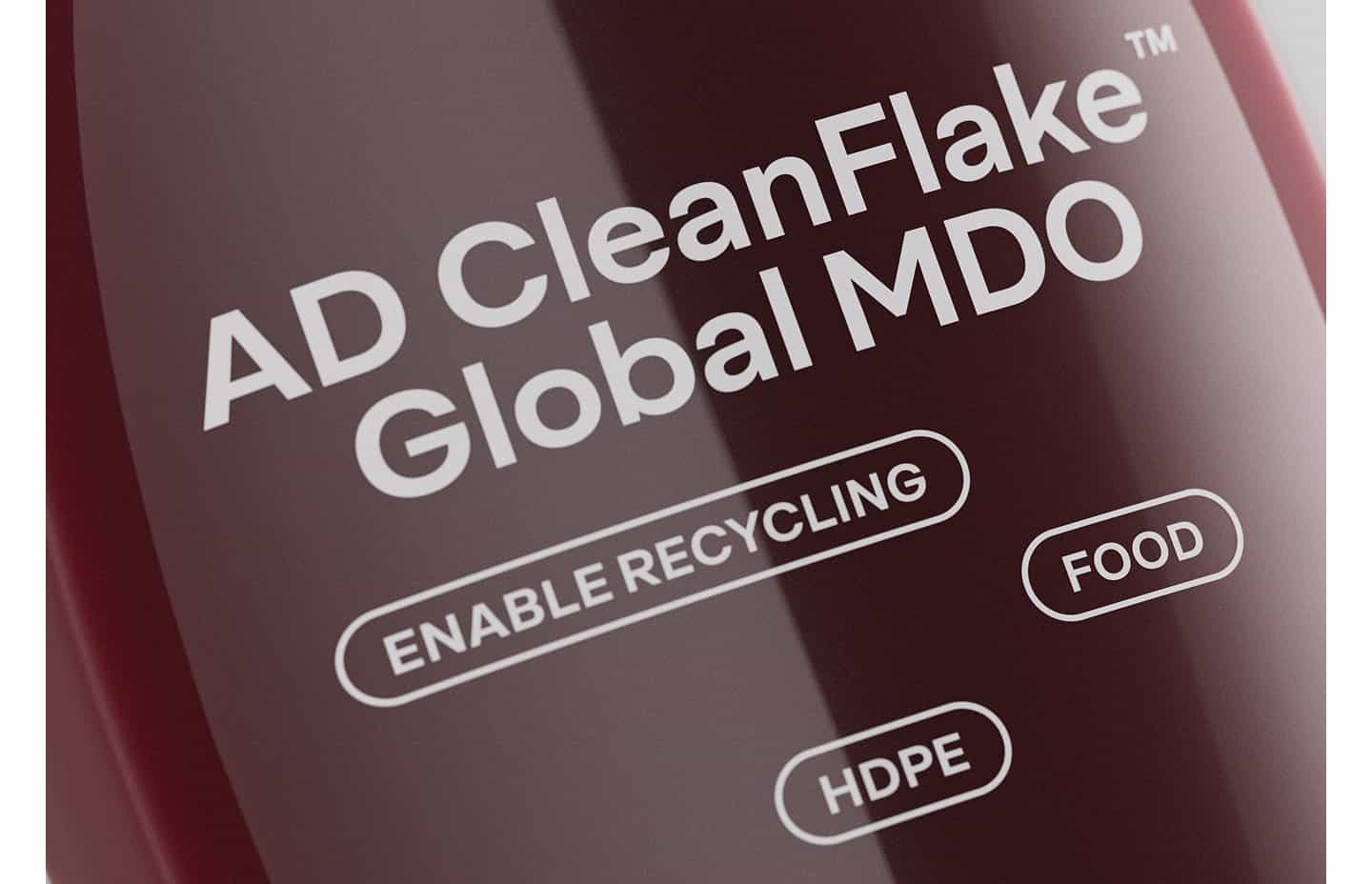
For a PET bottle, for example, the label construction needs to meet the demands of production and use while supporting the intended PET recycling process. Avery Dennison developed AD CleanFlake™ adhesive technology to support separation of the label from compatible PET packaging during recycling.
When used in an appropriate and validated construction, the technology is designed to help reduce contamination of the PET flake stream. Performance and relevant technical documentation should always be reviewed for the specific packaging application.
''The right solution is one that runs reliably, protects the product and supports the intended end-of-life pathway."
Making more informed packaging decisions
For Monica, effective packaging development means looking beyond a single material attribute.
“The right solution is one that runs reliably, protects the product and supports the intended end-of-life pathway,” she says.
By involving label specialists earlier, brands can assess potential trade-offs, complete appropriate testing and select constructions based on the needs of the whole packaging system.
This approach can help brands reduce the risk of operational disruption and make packaging decisions that are better aligned with performance, regulatory and recycling requirements.

Ready to review how label selection could affect your packaging performance and PPWR preparation?
Connect with Monica Gross to discuss your packaging application, testing needs and intended recycling pathway.