- Home
- Trends and insights
- The packaging paradox: Rethinking paper and film labels for plastic recycling
The packaging paradox: Rethinking paper and film labels for plastic recycling


The countdown to 2030 has shifted from a distant regulatory timeline into an immediate operational challenge. With the impending mandates of the EU Packaging and Packaging Waste Regulation (PPWR), consumer packaged goods (CPG) brands face intense compliance pressure to transition toward more circular packaging systems. Across the packaging industry, this shift is prompting brands to re-evaluate one often-overlooked packaging component: the label.
For years, many brands have relied on paper labels for their rigid plastic containers. But under upcoming mono-material requirements, this long-standing approach is coming under increasing scrutiny. Navigating this transition requires balancing regulatory requirements, operational realities and consumer expectations. To understand how brands can evaluate and implement film label alternatives while navigating evolving recycling requirements, we sat down with Mariya Nedelcheva, marketing manager for film label materials at Avery Dennison Materials Group, to unpack the mechanics of supply chain lock-in and the reality of regulatory compliance.
As Mariya explains, the challenge isn't a lack of awareness — it’s a deep-seated operational dependency that requires technical clarity to solve.
The packaging paradox: Technical compliance vs. public perception
Packaging and regulatory teams are increasingly aware that certain paper label constructions on plastic containers can create challenges for recycling systems designed to process mono-material packaging formats.
“Many consumers still operate on a very simple perception that plastic is bad and paper is good,” Mariya explains. “For many product portfolios, the matte, organic texture of a paper label serves as a vital visual and tactile cue to communicate sustainability and natural ingredients on the shelf. When compliance demands a switch to a film label, brand managers naturally worry about consumer backlash or the perception that they’re moving away from packaging that consumers associate with sustainability.”
The paradox is that while consumers rarely think about label materials, they respond strongly to the visual and tactile cues those materials create. This creates a barrier for the teams involved in packaging decisions, even when a compatible film label may be one of the most effective ways to support recyclability within existing plastic recycling streams.
''Many consumers still operate on a very simple perception that plastic is bad and paper is good."
Overcoming the inertia of the incumbent standard
Beyond consumer perception, the main hurdle to transitioning from paper to film is operational. For most established packaging lines, paper labels are not an accidental choice — they are a versatile incumbent standard supported by infrastructure and long-standing processes.
“For many food or home care brands, Everything in the existing supply chain is geared toward paper,” says Mariya. “From procurement pathways and vendor contracts to the factory floor machinery, label applicator settings and machine speeds — it’s all dialed in for a single material. Shifting to film labels means disrupting a legacy setup, which is why so many businesses delay the transition despite recognizing the upcoming regulatory deadlines.”
Overcoming this factory floor inertia requires moving beyond compliance concerns and giving packaging teams the objective data they need to justify the transition. For FMCG companies, this is especially important: any sustainable packaging change must still perform at high volumes, within existing manufacturing constraints and at demanding line speeds.
Avery Dennison offers a portfolio of film materials selected for different packaging applications and performance requirements. To help bridge this operational gap, our technical teams can evaluate how these materials perform on existing production lines and help facilitate the transition process.
Proving the benefits and protecting the bottom line
Beyond operational considerations, label choices are also becoming a financial decision. As Extended Producer Responsibility (EPR) schemes across Europe introduce fee modulation and link material choices more closely to compliance costs, maintaining paper labels on rigid plastic packaging may become increasingly expensive.
“Technical teams understand that label selection can influence recyclability assessments and future EPR fee exposure,” Mariya notes. “When packaging components aren’t compatible with the intended recycling process, they can negatively affect recycling performance and increase compliance costs.”
Yet the transition is not only about managing risk. It is also a brand and material innovation decision, particularly as new film options emerge that can support packaging performance, shelf appeal and sustainability goals.
“Strategically, it’s incredibly important to understand what your brand identity is, as the sustainable supply chain is developing rapidly with new films,” Mariya explains.
That strategic choice can also shape how closely the label aligns with the packaging material and any on-pack claims — for example, when a brand wants to communicate recycled content across the complete pack. Mariya adds: "Lifecycle assessment data using the AD Footprinting tool can then help teams compare options such as a 30% post-consumer waste recycled content PP front material with a paper liner with 15% recycled content instead of virgin PP and understand potential carbon footprint reductions.”
When designed and specified appropriately, film label constructions can help teams balance recyclability performance, long-term cost implications and brand requirements.
''When packaging components aren't compatible with the intended recycling process, they can negatively affect recycling performance and increase compliance costs."
De-risking the material transition
Helping organizations move past their incumbent setups requires material suppliers to provide a collaborative, consultative framework that addresses both compliance validation and real-world line efficiency. Packaging teams need to demonstrate the value of new material choices to the C-suite without sacrificing operational efficiency.
“At Avery Dennison, we focus on offering the right film solutions for different applications, supported by technical expertise and relevant analysis tools,” Mariya says. “Tools such as carbon footprint analysis and EPR calculators can help teams compare options and understand potential implications. Our engineering and technical teams can then support the transition to film alternatives and help make the change as manageable as possible, while recognizing that no material switch is entirely risk-free.”
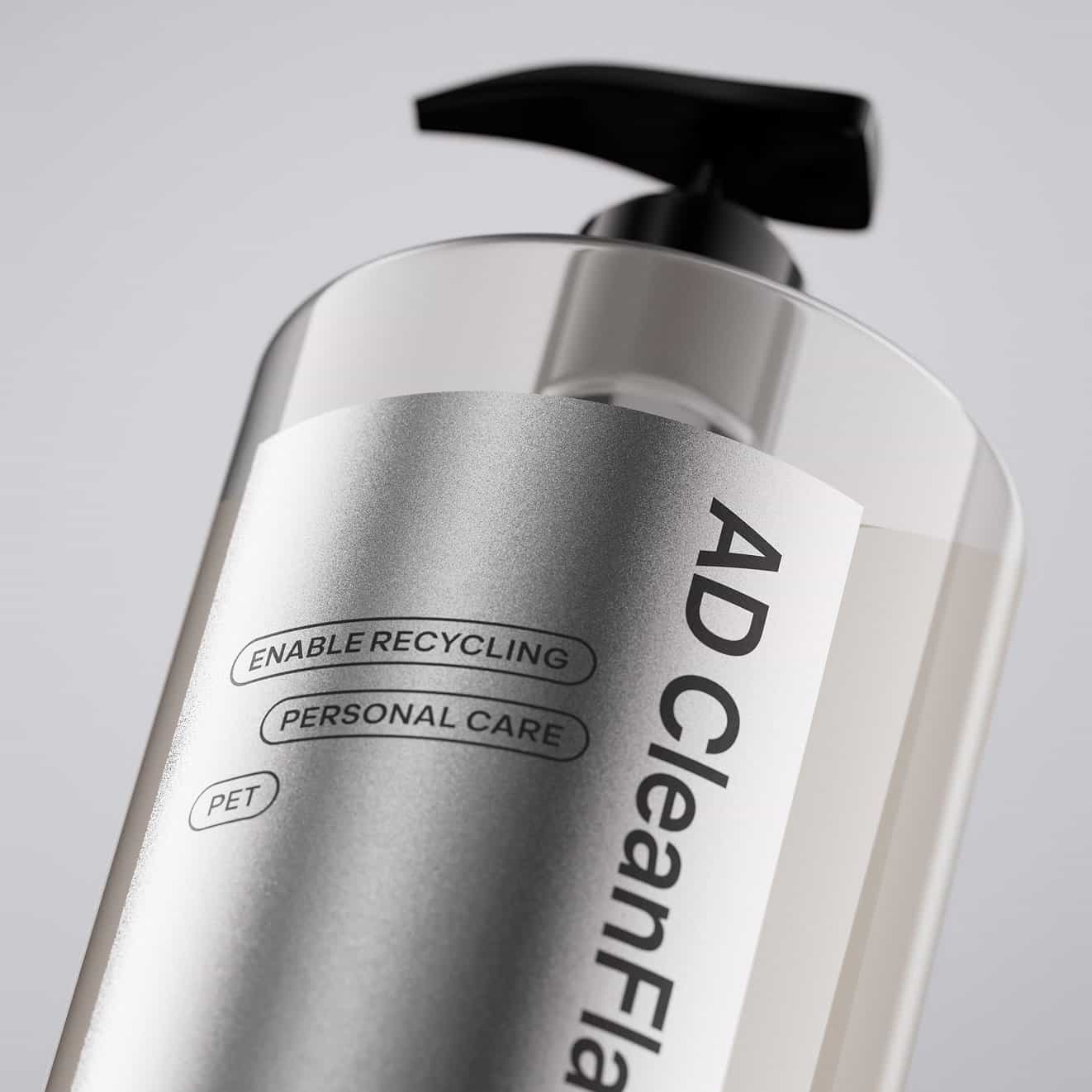
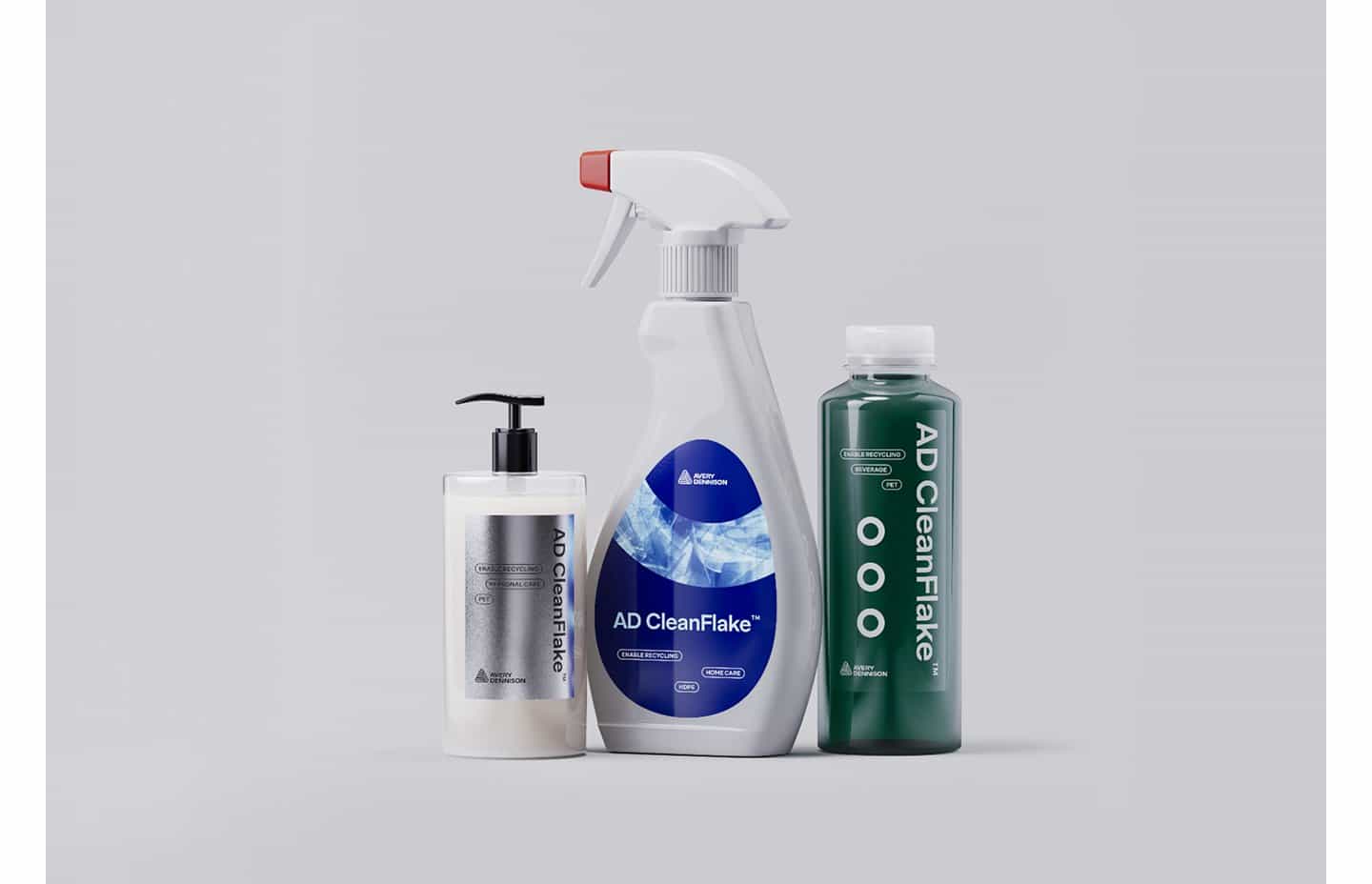
Material innovations also ensure that regulatory compliance doesn’t require losing premium shelf appeal. Technologies like AD CleanFlake™ are designed to enable clean label separation during relevant recycling processes while maintaining a premium shelf appearance. This can help producers meet design-for-recycling requirements while preserving the visual identity associated with their brands.
A practical pathway forward
For any packaging development team currently lacking clarity on their compliance with PPWR, the path forward requires a structured, step-by-step approach rather than an all-at-once portfolio overhaul.
“My advice to packaging teams is to start with a comprehensive portfolio audit,” Mariya concludes. “Identify where high-volume rigid plastic lines use label constructions that may affect recyclability performance or EPR outcomes, then map out a phased transition plan where changes are needed. By bringing together procurement, marketing and engineering early — and leveraging the testing capabilities and technical expertise of material partners — you can prepare for evolving requirements while managing operational performance and brand expectations.”

Ready to evaluate your label portfolio for PPWR compliance?
Connect with Mariya to explore film innovations and build a data-driven strategy to transition away from your incumbent paper setups with confidence.