- Home
- ...
- Trends and insights
- Digital label printing vs flexographic printing
Digital label printing vs flexographic printing: A guide for beginners
Digital label printing offers faster turnaround, lower setup costs for short runs, and greater customization, making it ideal for brands launching new products or running limited editions. Flexographic printing delivers superior cost efficiency and consistency at high volumes, making it the preferred choice for established products with long, stable production runs.
Choosing between digital label printing and flexographic printing shapes everything from your packaging budget to your time-to-market. For food and beverage brands balancing sustainability mandates, new product launches, and consumer demand for transparency, this decision carries real weight. The right printing method affects not just cost, but also how effectively your packaging communicates quality, compliance, and brand story on crowded retail shelves.
This guide breaks down how digital and flexographic printing differ, where each method excels, and how to match your label material, including Paper Labels, BOPP Labels, and Pressure Sensitive label technology, to your specific packaging objectives.
What is the difference between digital label printing and flexographic printing?
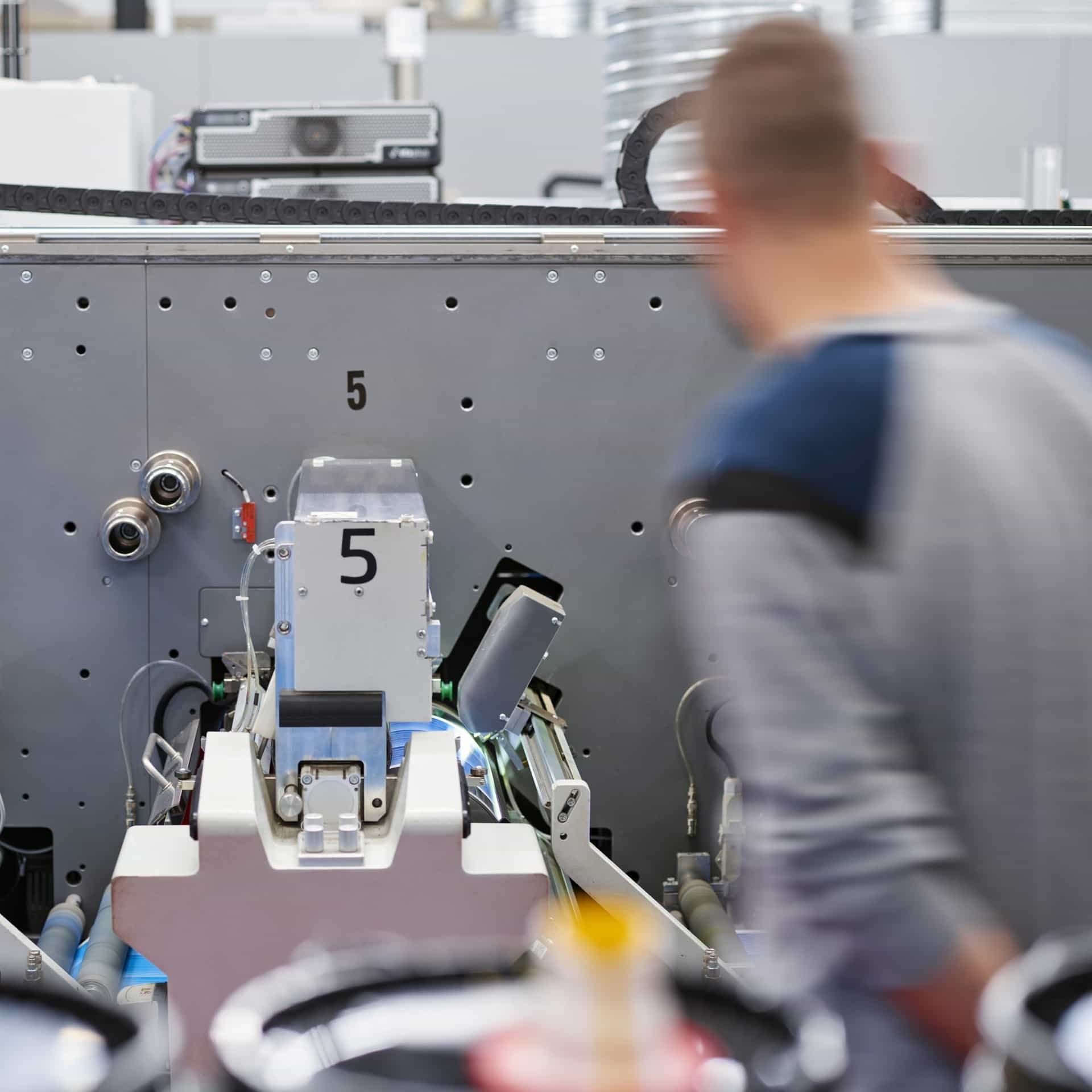
Digital label printing uses inkjet or laser technology to transfer images directly onto label material, without the need for printing plates. Flexographic printing, by contrast, relies on flexible relief plates that transfer ink onto the substrate through a rotary press.
The core distinction comes down to setup. Digital printing skips the plate-making process entirely, which means lower upfront costs and faster changeovers between designs. Flexographic printing requires custom plates for each job, an investment that pays off only when producing large volumes.
Print quality
Flexographic printing has long been associated with vibrant, high-opacity color reproduction, particularly on film substrates like BOPP Labels. Digital printing has closed much of this gap in recent years, now offering comparable color accuracy along with the added benefit of variable data printing, which allows each label in a run to feature unique codes, graphics, or text.
For brands prioritizing intricate shelf designs or seasonal variations, digital printing provides more creative flexibility without the cost penalty traditionally associated with short runs.
Cost-effectiveness
Digital label printing is generally the more cost-effective option for short to medium runs. Because there are no plates to produce, brands avoid the fixed costs that make small flexographic jobs expensive on a per-unit basis.
Choose digital printing if your packaging objective involves frequent design updates, limited-edition releases, or testing new markets before committing to a full-scale rollout. Choose flexographic printing if your product has a stable, long-term shelf presence and you are printing hundreds of thousands, or millions, of labels per run.
How do you choose the right label material for your packaging objective?
Selecting a label material depends on your product category, shelf environment, and sustainability goals.
When to use paper labels
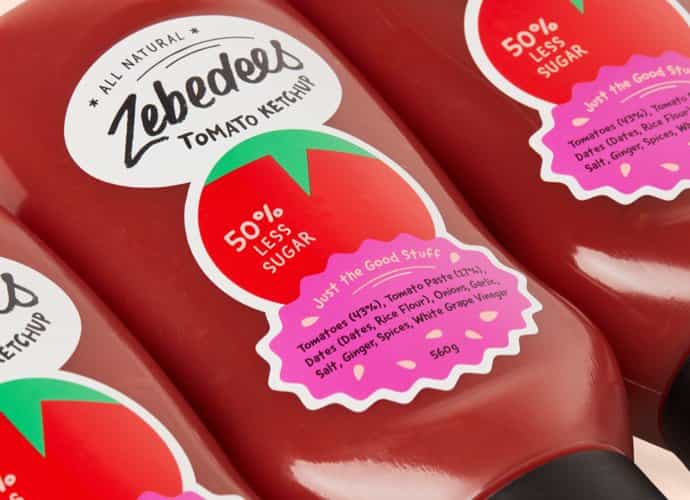
Paper labels suit products that call for a natural, tactile look, such as wine, craft beverages, and artisanal foods. They are typically more cost-effective than film alternatives and work well for brands seeking recycled content, as many paper-based materials incorporate natural by-products such as grape residue from winemaking and sugarcane fiber.
When to use film labels
Film labels offer superior moisture resistance and durability, making them a strong choice for products exposed to refrigeration, condensation, or rough handling, such as beverages, sauces, and frozen foods. They also provide clarity while handling high-definition graphics, which help brands stand out on crowded shelves. Certain film labels are designed to detach cleanly during recycling, enabling plastic containers to be recycled more effectively.
When to consider pressure-sensitive labels
Pressure-sensitive (PS) label technology uses an adhesive-backed facestock that bonds to packaging without heat or solvents. This approach supports a wide range of substrates, including PET, HDPE, glass, paper and cardboard, and is compatible with both digital and flexographic printing. PS labels are the right fit when brands need fast application speeds, compatibility with varied container shapes, intricate design printability, and the flexibility to switch between short digital runs and high-volume flexographic production as demand scales.
Making the right call for your next packaging project
Deciding between digital label printing and flexographic printing, and choosing the right material to pair with it, should begin with your production volume, design complexity, and sustainability commitments. Short runs, frequent redesigns, and personalization favor digital printing. Long, consistent runs at scale favor flexographic printing. Across both methods, paper labels and film labels each bring distinct advantages depending on your product's use environment and recycling goals.
If you are launching a new product and are unsure which print technology or label material is the right fit, consult experts like Avery Dennison, that can help you weigh production volume, design complexity, shelf appeal and sustainability targets, so you can choose a printing method and material that deliver on your requirements.
Frequently asked questions
1. Is digital label printing more expensive than flexographic printing?
Digital label printing is typically less expensive for short to medium runs because it requires no printing plates. Flexographic printing becomes more cost-effective at high volumes, where the fixed cost of plates is spread across a larger number of units.
2. How long does it take to produce labels using each method?
Digital label printing generally offers faster turnaround because there is no plate-making stage, making it suitable for tight launch timelines. Flexographic printing requires additional lead time for plate production but runs efficiently once setup is complete.
3. Who should choose flexographic printing over digital printing?
Brands with established products, high and consistent production volumes, and minimal design variation benefit most from flexographic printing, since the cost per unit decreases significantly at scale.
4. Who should choose digital printing over flexographic printing?
Brands that launch new products frequently, run limited-edition packaging, or need to test designs in new markets before committing to large volumes will benefit most from digital printing. Because there are no plates to produce, digital printing keeps costs low on short to medium runs and allows fast design changeovers—making it the stronger choice when flexibility and speed to market matter more than per-unit cost at scale.