- Home
- Trends and insights
- How will the PPWR affect extended producer responsibility schemes?
How will the PPWR affect extended producer responsibility schemes?

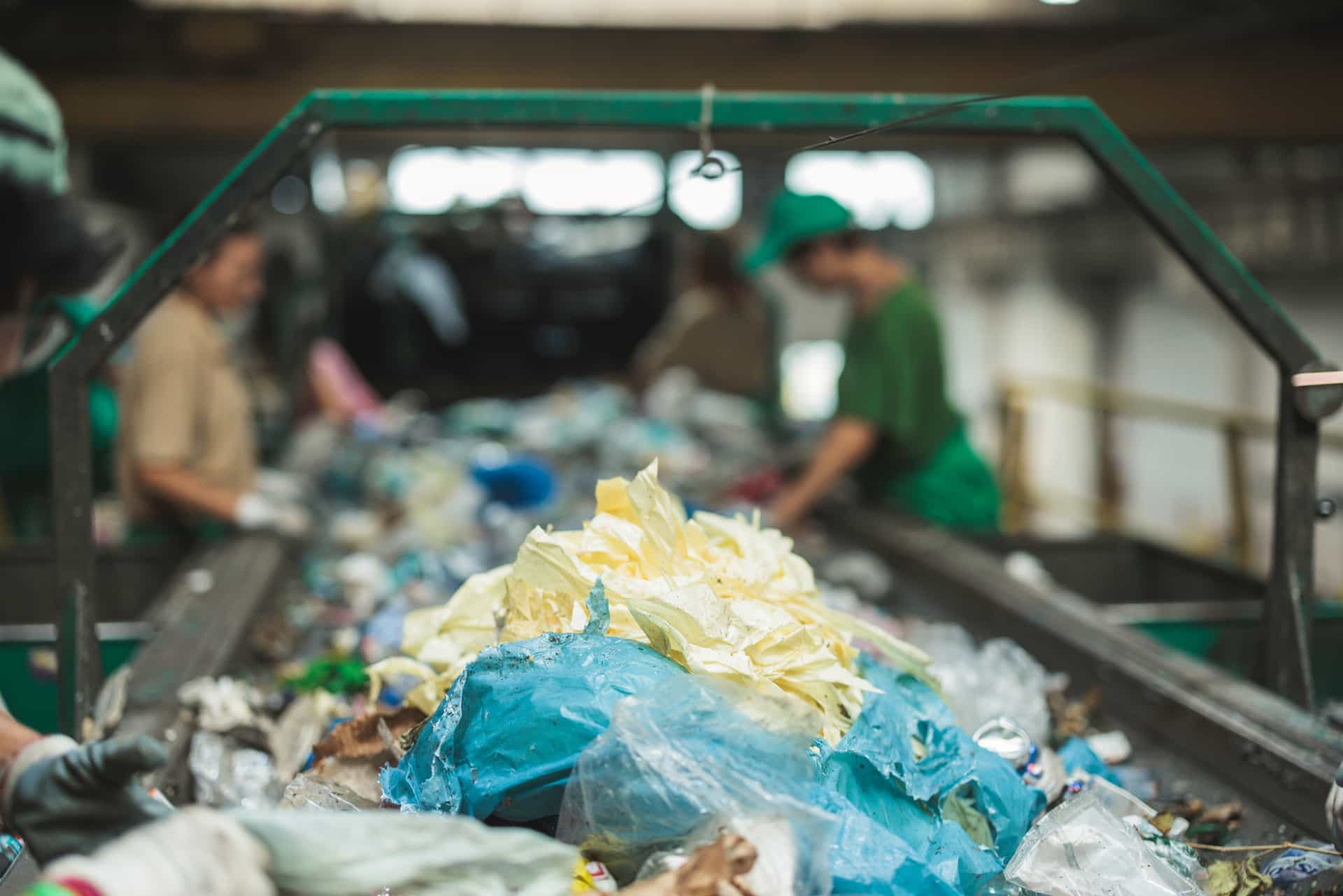
On average, each European citizen generates almost 190 kg of packaging waste per year. Without additional measures, this amount is expected to increase to 209 kg by 2030. One step the EU has taken to address packaging waste is making extended producer responsibility (EPR) schemes for packaging mandatory across EU member states.
The Packaging and Packaging Waste Regulation (PPWR) is intended to create a more harmonized approach to packaging across the EU. Officially published in the Official Journal of the European Union, the PPWR entered into force on February 11, 2025 and is broadly applicable from August 12, 2026.
For brands, retailers and label converters, the regulation will influence packaging decisions across design, material selection, documentation and end-of-life performance. It will also affect how extended producer responsibility (EPR) fees are structured over time.
The PPWR introduces a framework for modulating EPR fees, also known as eco-modulation, based on recyclability performance grades. From 2030, packaging will need to meet recyclability requirements based on grades A, B or C to be placed on the EU market. Packaging with stronger recyclability performance may be eligible for lower EPR fees, while packaging that is harder to recycle may face higher fees or additional restrictions.
At Avery Dennison, we know how important it is to choose the right labeling solutions. Label choice can affect how packaging is sorted, recycled and assessed under EPR schemes. This article gives an overview of EPR schemes today, how they are expected to evolve under the PPWR and what this may mean for your packaging decisions.
''On average, each European citizen generates almost 190kg of packaging waste per year.
This amount is expected to reach 209kg in 2030 unless additional measures are taken.''
EPR schemes: now and in the future
An EPR scheme requires producers to finance and, in some cases, organize the management of the packaging waste they place on the market. This is typically done through EPR fees paid to producer responsibility organizations.
The goal is to make producers, including manufacturers, importers and distributors, take greater responsibility for the environmental impact of packaging throughout its lifecycle. This includes collection, sorting, recycling, data reporting and consumer awareness activities.
EPR schemes for packaging in Europe are not new. Germany was the first EU country to set up an EPR scheme for packaging in 1991. In 2018, an amendment to the former Packaging and Packaging Waste Directive introduced requirements for all EU member states to establish EPR schemes for packaging.
Under the PPWR, EPR fees will increasingly be linked to packaging recyclability performance. Member States may also use additional criteria, such as recycled content, when determining fee modulation. The collected fees help finance the collection, sorting and recycling of packaging waste as well as data collection and public recycling awareness campaigns.

Eco-modulation is designed to encourage producers to consider how packaging design affects waste management and recycling outcomes. While some EU countries already apply eco-modulated fees in their EPR schemes, the criteria and fee structures can vary significantly between markets. This leaves producers operating across several countries with a complex EPR landscape to navigate.
Complexity of EPR fees across Europe
The fee structure can vary depending on the packaging category, material and the specific EPR scheme in each country where goods are sold. The number of EPR organizations can also vary by country and from one organization to another. This creates a practical challenge for producers that need to calculate, report and pay the correct fees across multiple markets.
For example, in the Netherlands, Verpact manages the packaging waste EPR scheme. Producers pay fees that are used to finance the collection and recycling of packaging waste. Verpact also provides information and tools to help producers assess packaging choices against relevant EPR criteria and report progress toward recycling targets.
In recent years, Verpact has introduced fee modulation for plastic packaging. This model can reward packaging that meets specific recyclability criteria, such as mono-material design, certain color requirements, compatible labels and successful completion of relevant KIDV Recycle Checks for rigid or flexible packaging. It can also take recycled content into account.
For example, under Verpact’s plastic fee modulation model, eligible plastic packaging may receive tariff discounts when it meets the defined conditions. The exact fee impact depends on the packaging format, material composition and applicable criteria for the relevant year. As EPR schemes evolve, fee structures may also reflect a wider range of costs, including collection, sorting, recycling, data reporting and consumer awareness activities. This illustrates why brands and converters should review EPR requirements at country level rather than assuming a single EU-wide fee outcome.
How the PPWR will impact brands, converters and existing EPR fees
The PPWR is expected to reshape packaging decisions across the value chain. For brands, this means closer attention to packaging design, material selection, recyclability evidence and supplier documentation. It also means looking beyond the purchase price of packaging and considering total cost of ownership, including packaging costs and applicable EPR fees. For converters, it means adapting product portfolios and technical support to help customers meet evolving recyclability and reporting requirements.
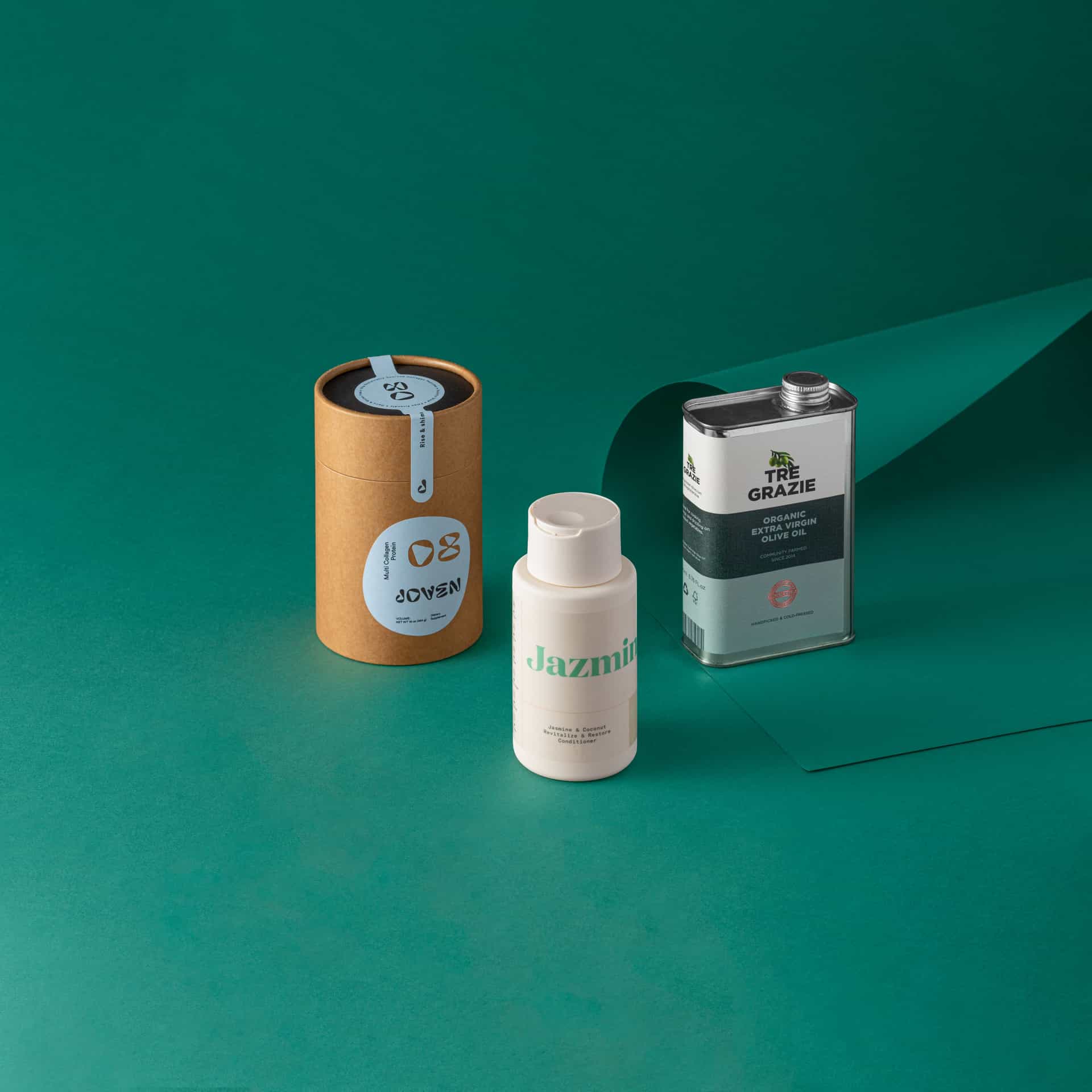
Because EPR fees are expected to become more closely connected to recyclability performance, packaging choices may have direct cost implications. However, fee outcomes depend on the complete packaging system, the national EPR scheme, the applicable year and the criteria set by the relevant producer responsibility organization.
For brands, following recycling guidelines, reviewing packaging design choices and collaborating with converters and other value chain partners are practical steps to prepare for evolving EPR requirements under the PPWR.
Learn more
Read our related article for converters on preparing for changes in EPR schemes or visit our PPWR page for more information on the legislation and its requirements.