- Home
- Resources
- Regulatory guidance
- The Packaging and Packaging Waste Regulation
The Packaging and Packaging Waste Regulation
The Packaging and Packaging Waste Regulation (PPWR) is the EU’s landmark legislation establishing a harmonized framework for the entire lifecycle of packaging to drive the EU’s transition to a circular economy. Published in the Official Journal of the European Union on Jan. 22, 2025, the PPWR entered into force on Feb. 11, 2025, and generally applies from Aug. 12, 2026. By working together, we can reshape packaging and develop labeling solutions that support the transition to a more circular economy.
Your partner in circular labeling
Your labeling choices can play a key role in supporting packaging recyclability. We provide data and insights to inform your decisions in light of emerging PPWR design-for-recycling guidelines, helping you maintain shelf appeal and protect your brand reputation.
The impact of PPWR
All packaging must be recyclable
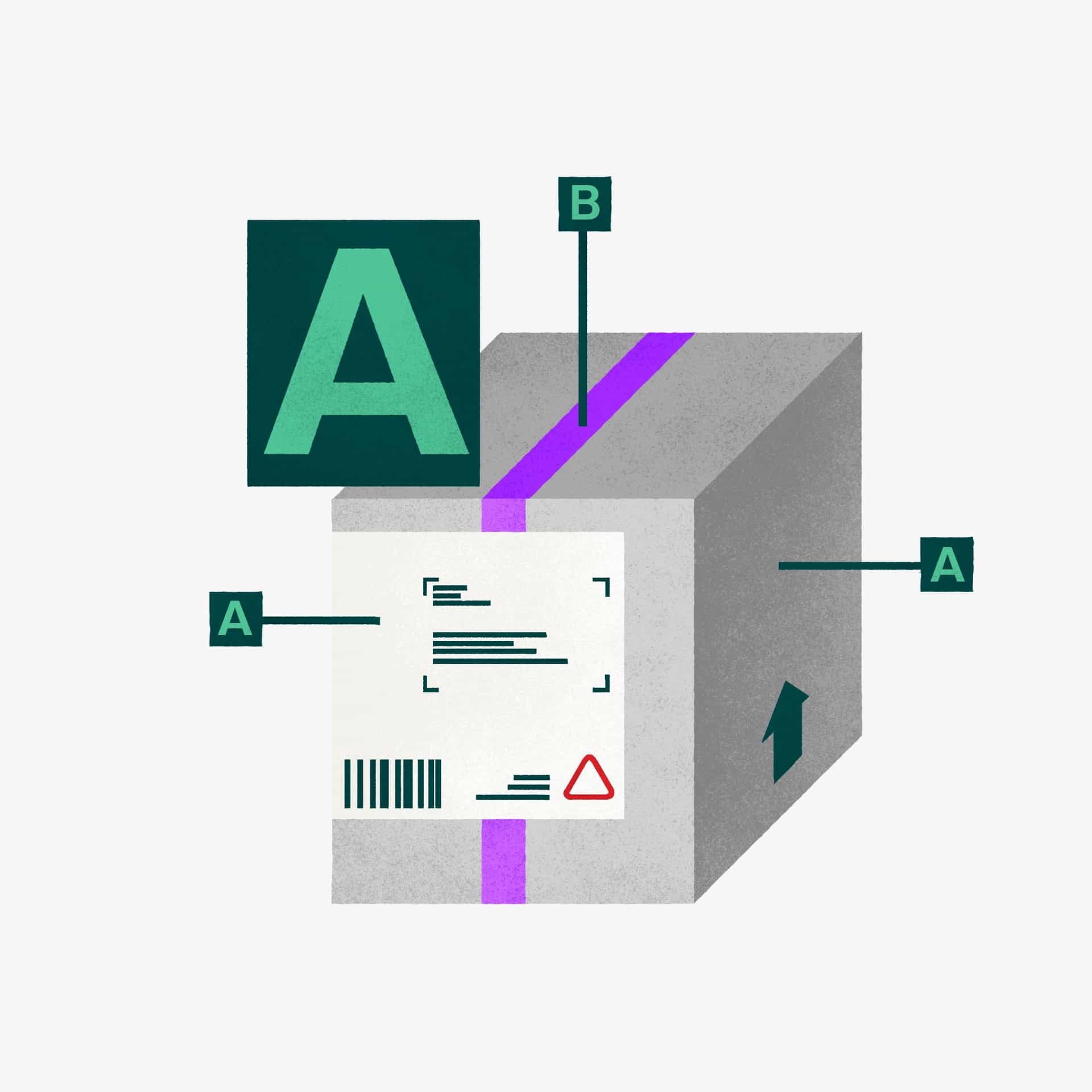
- By 2030, all packaging placed on the EU market must be recyclable. The PPWR aims to create consistency in packaging recyclability through mandatory Design for Recycling (DfR) guidelines. These will include rules on label facestocks and adhesives, which can enable recycling of packaging made from materials like plastic, cardboard and glass.
- Packaging recyclability will be assessed at the level of the packaging unit based on the DfR criteria and will be expressed in performance grades of A, B or C in terms of weighting. In 2030, only packaging that is at least 70% recyclable (grade C) by weight will be allowed on the EU market. More information can be found in Annex II of the PPWR.
- Labeling solutions can support the recycling of PET packaging by washing off during the recycling process.
Recycled content targets for plastic packaging
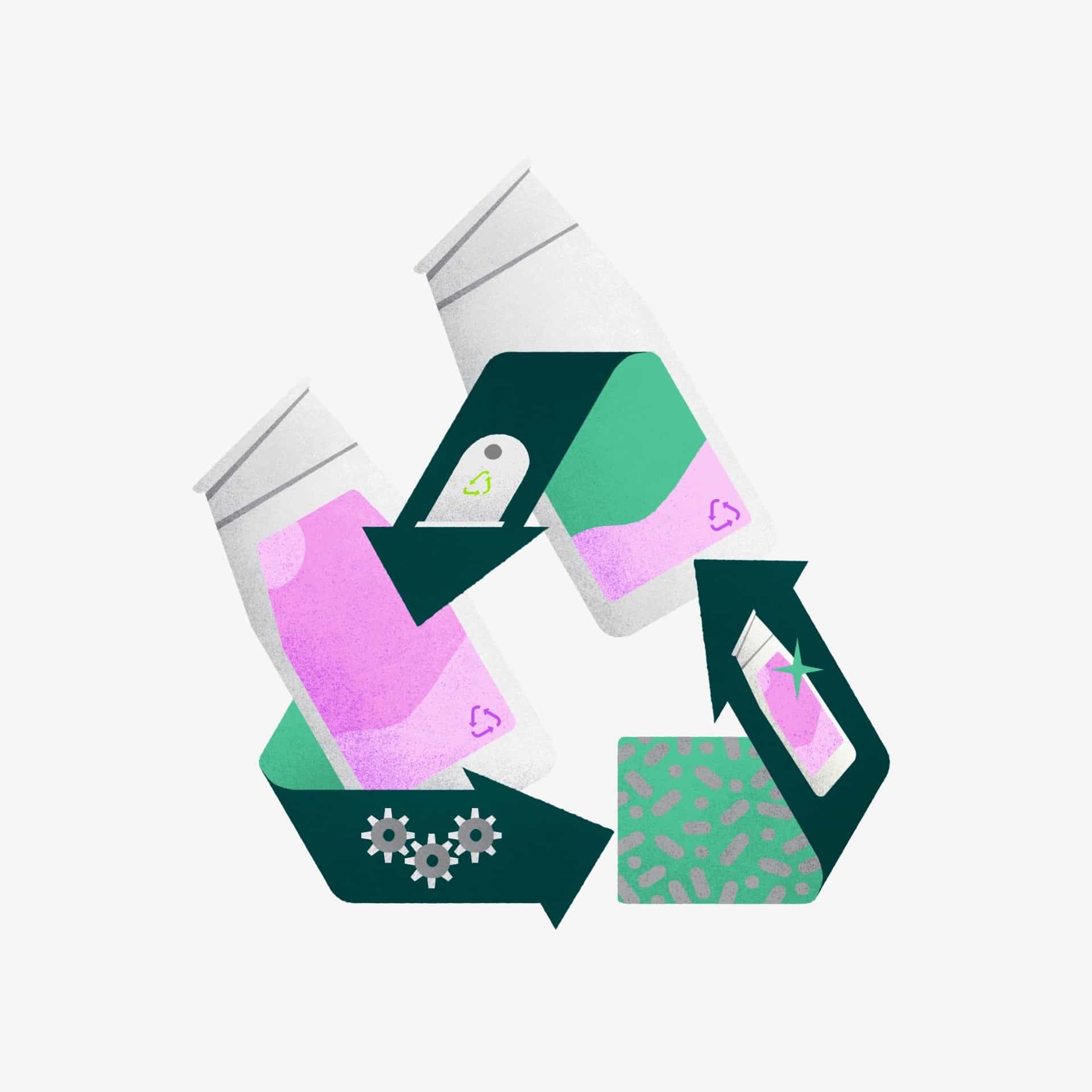
- Each plastic part representing more than 5% of total packaging weight must contain a minimum percentage of recycled content. For example, contact-sensitive PET packaging must have 30% recycled content by 2030 and 50% by 2040.
- Plastic parts representing less than 5% of the weight of the packaging unit are exempted from meeting recycled content targets. We expect that a large majority of pressure-sensitive labels will be exempt. Nonetheless, labeling materials can help brands achieve their sustainability goals.
- Pressure-sensitive labels containing recycled content are available for a variety of applications, along with a variety of source materials such as filmic labels made with post-consumer waste.

Targets for reusable packaging
- Mandatory targets for reusable packaging have been introduced for transport packaging, grouped packaging and beverage packaging from January 1, 2030. While 2040 targets have also been established, they are not mandatory. For example, for beverage packaging, the European Commission has established a mandatory target of 10% reusable packaging by 2030 and a non-mandatory target of 40% reusable packaging by 2040.
- Our labels support various reuse models. According to the type of reuse system in place, they can either be released at each washing cycle or permanently adhere to reusable packaging through multiple wash cycles. Labels can also enable the tracking and collection of reusable packaging via data carriers such as QR codes and RFID tags.
Harmonized extended producer responsibility schemes
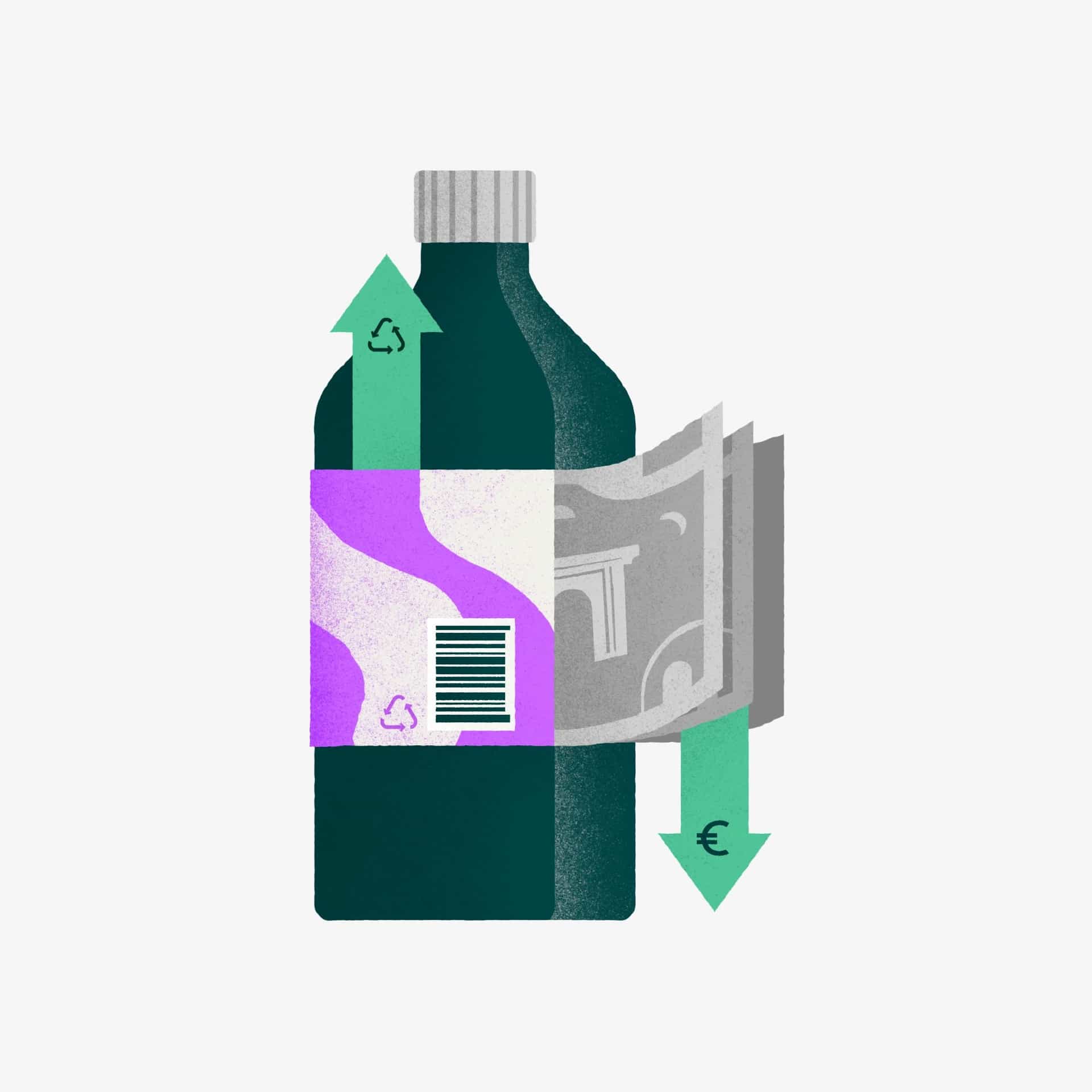
- Producers will be required to pay Extended Producer Responsibility (EPR) fees to cover the cost of managing their waste. These fees will be modulated based on the recyclability grade (A, B or C) of each packaging unit.
- Labeling choices can have a significant impact on the fees you must pay under EPR schemes. For example, labels that are made with less material or that enable recycling can significantly reduce your packaging tax.
PPWR timeline
2026
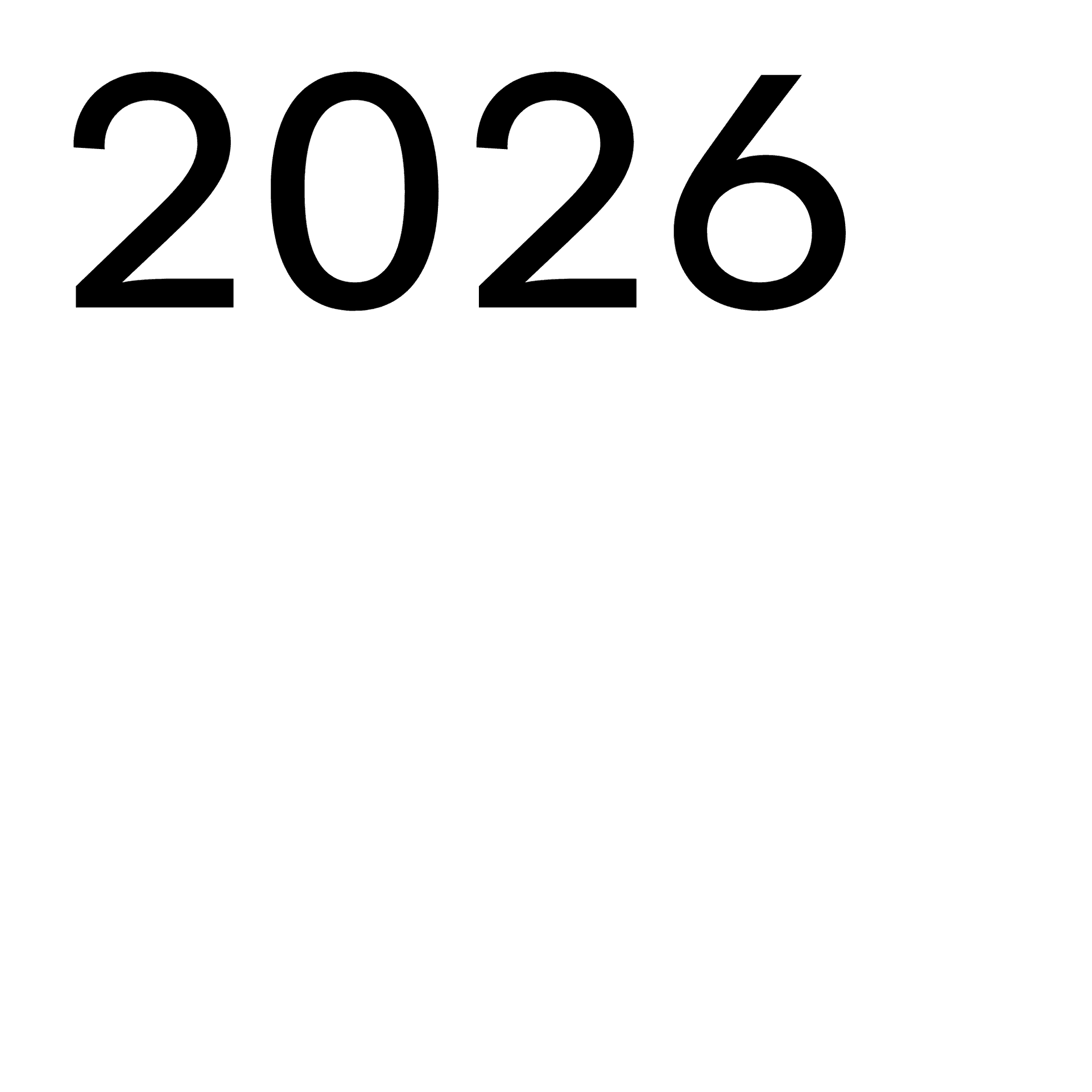
- August 12, 2026: Ban on PFAS in food contact packaging above certain limits
- August 12, 2026: Methodology for harmonized labels, labeling requirements (including digital labels) and packaging material composition
- December 31, 2026: Methodology for calculation and verification of recycled content percentage
2027
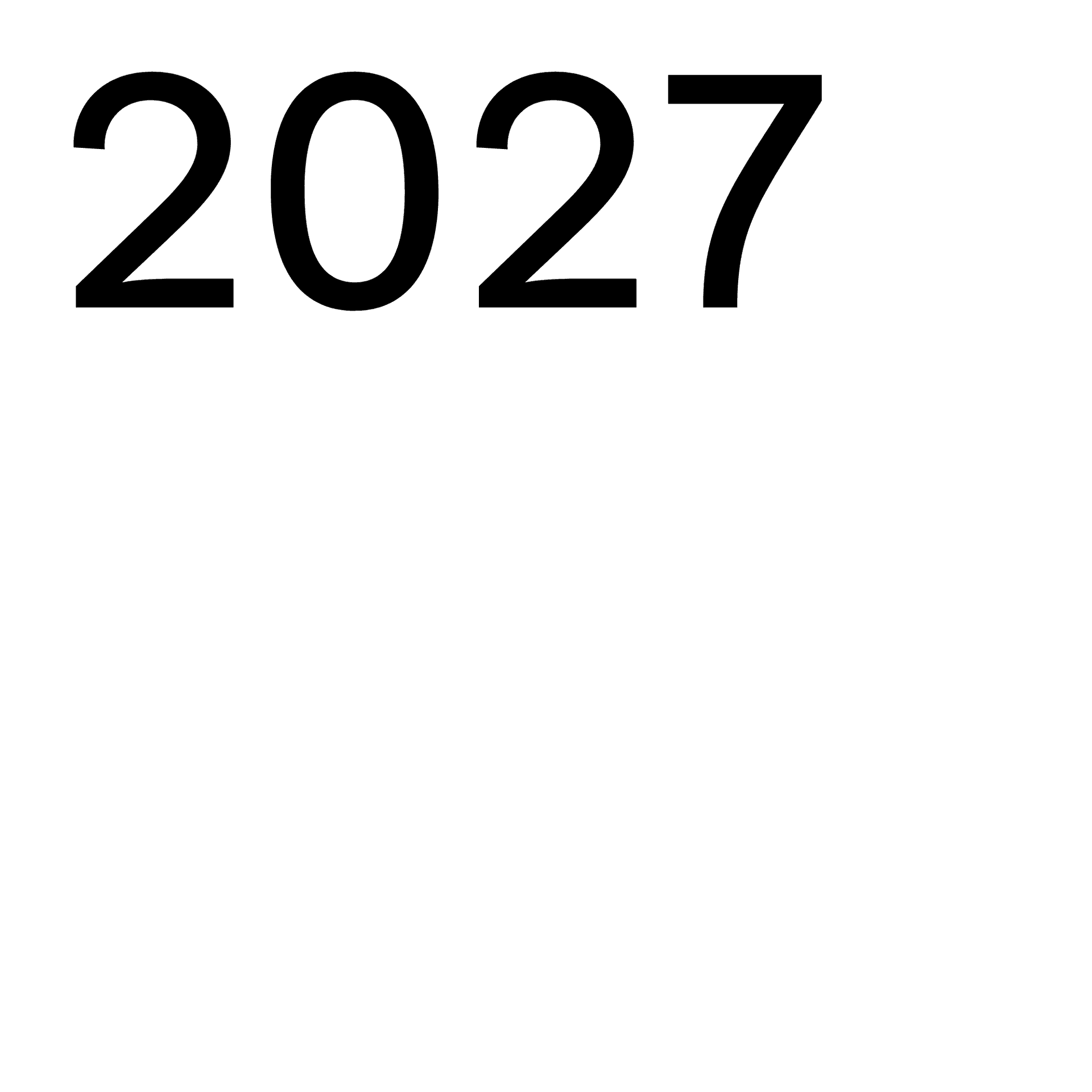
- February 12, 2027: Publication of rules on the minimum number of rotations for reusable packaging
- June 30, 2027: Publication of rules for calculating reuse targets
2028
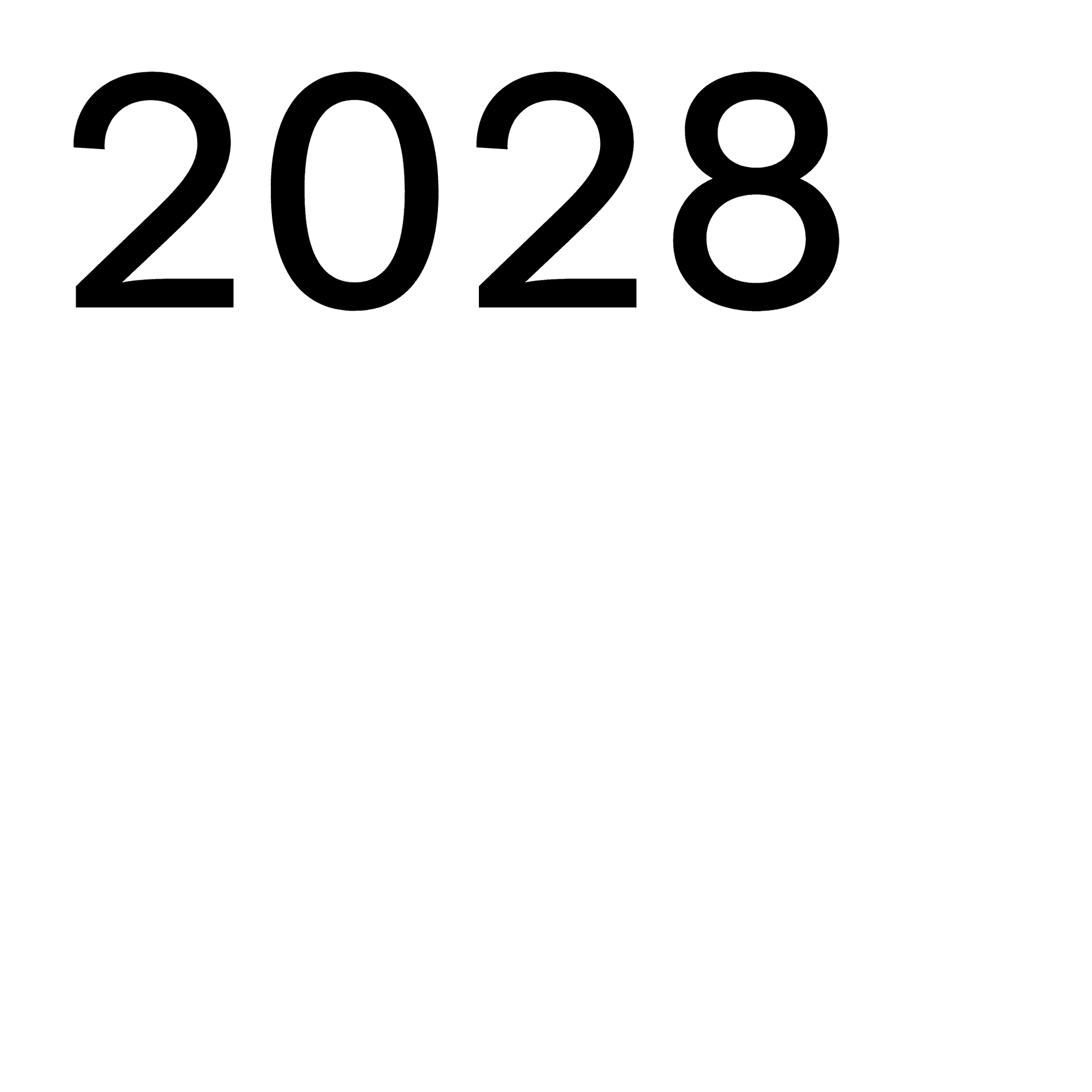
- January 1, 2028: Publication of Design for Recycling criteria on recyclability performance grades and framework for EPR modulation
- February 12, 2028: Sticky labels for fruits and vegetables must be industrially compostable
2030-2040
- January 1, 2030: Only packaging with recyclability performance grades A, B or C will be allowed to enter the market. Packaging must comply with 2030 reuse and recycled content targets.
- January 1, 2035: Packaging must be recyclable* at scale and within recyclability grades A, B or C
- January 1, 2038: Packaging must be recyclable* at scale and within recyclability grades A or B
- January 1, 2040: Packaging must comply with 2040 recycled content targets
*Collected, sorted and recycled at a high rate
Downloads
Speak with one of our experts
Dive deeper