- Home
- Solutions
- By packaging type
- PET packaging

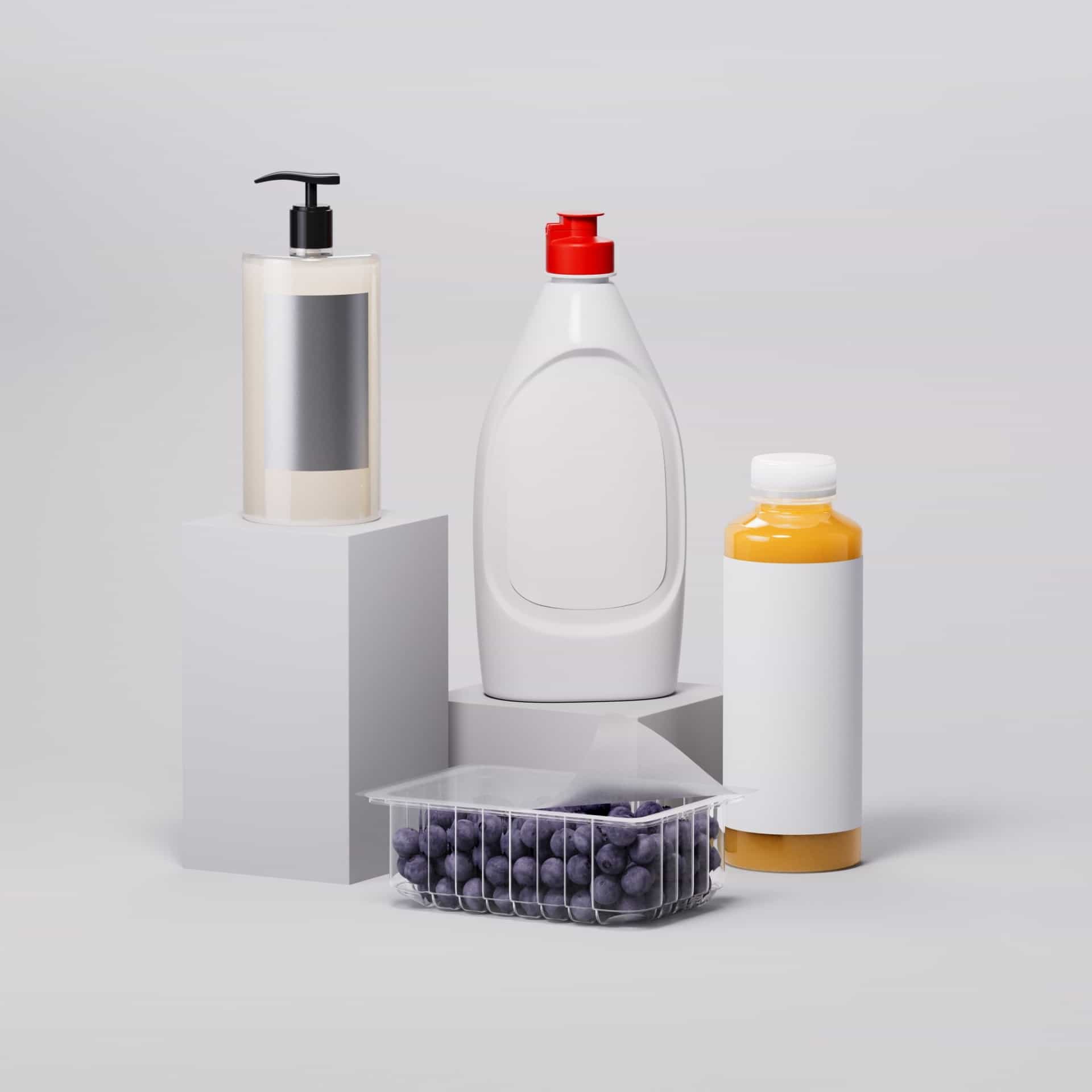
Achieving high-purity PET recycling depends on a label strategy that facilitates seamless separation during the recovery process.
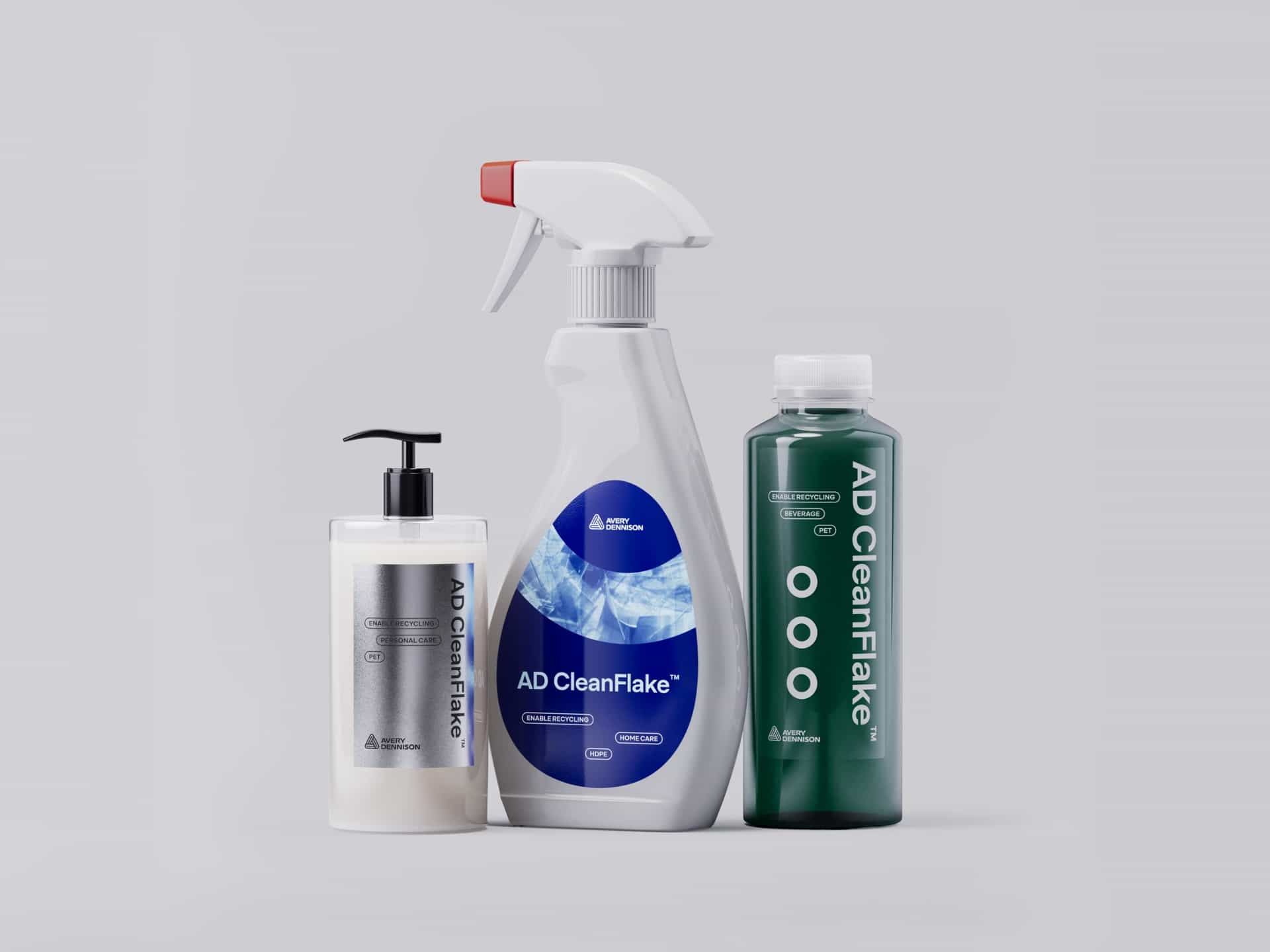
Whether you're navigating the requirements of the Packaging and Packaging Waste Regulation (PPWR) or seeking to stand out on the shelf, our solutions are designed to help you meet both performance and sustainability goals. Our technology features adhesives that deactivate during the caustic wash cycle — allowing the shredded label material to float and PET flakes to sink for more efficient recovery. This specialized approach enables circular design while supporting best-in-class print quality and smart technologies that help your brand remain secure and sophisticated throughout the packaging's journey.
What is PET packaging?
Loading

A highly recyclable substrate, PET (polyethylene terephthalate) is a lightweight plastic material widely used in food, beverage and home and personal care packaging.
- Highly recyclable with established collection streams
- Trays primarily used for food products
- Key focus of the PPWR for improved
How PET bottles and trays are recycled
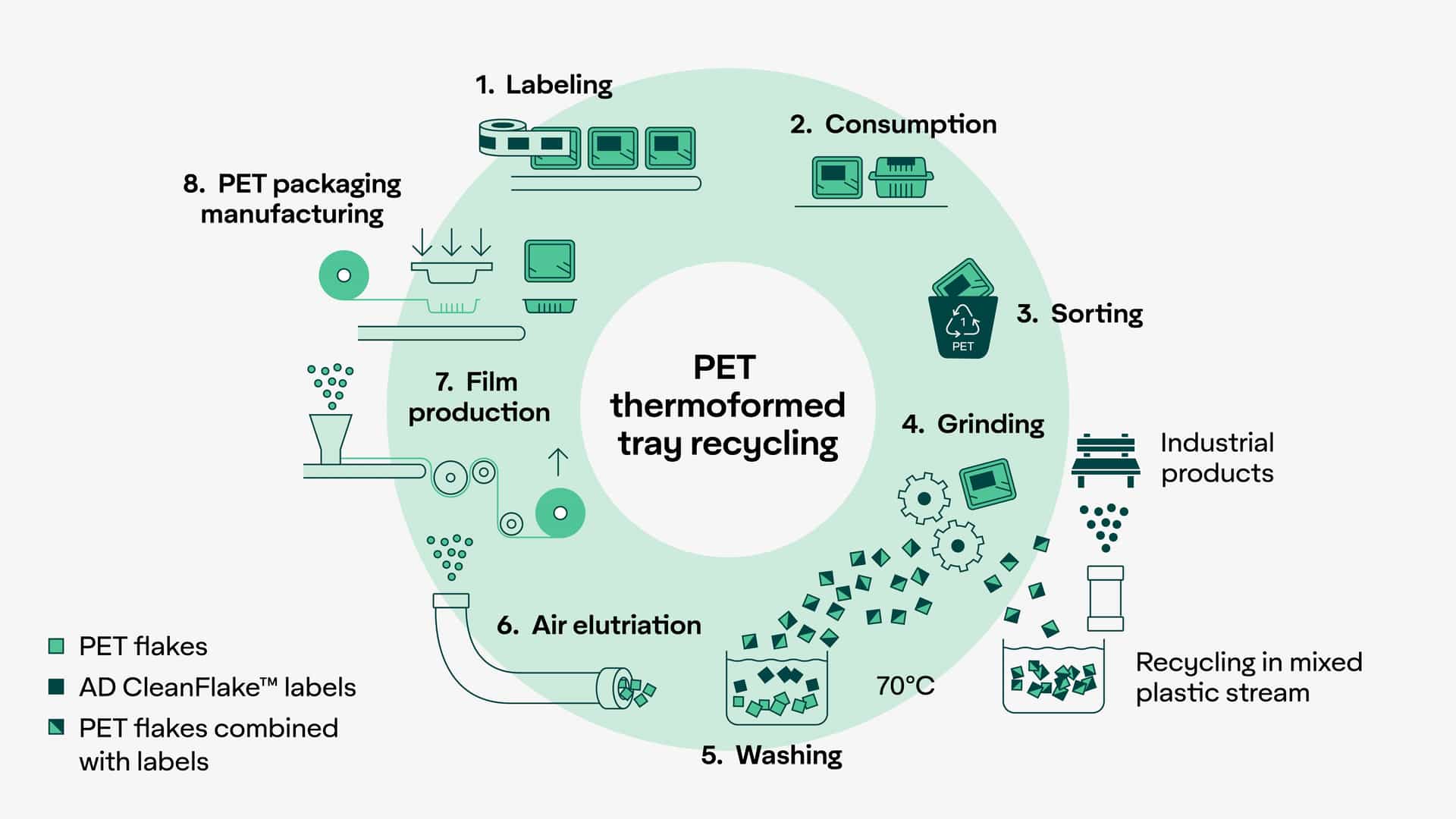
PET is widely recycled, but bottles and trays are processed separately because they are made with different grades of PET and have differing intrinsic viscosity (IV). Mixing the two streams can contaminate the recycling process, increase processing costs and reduce usable yield.
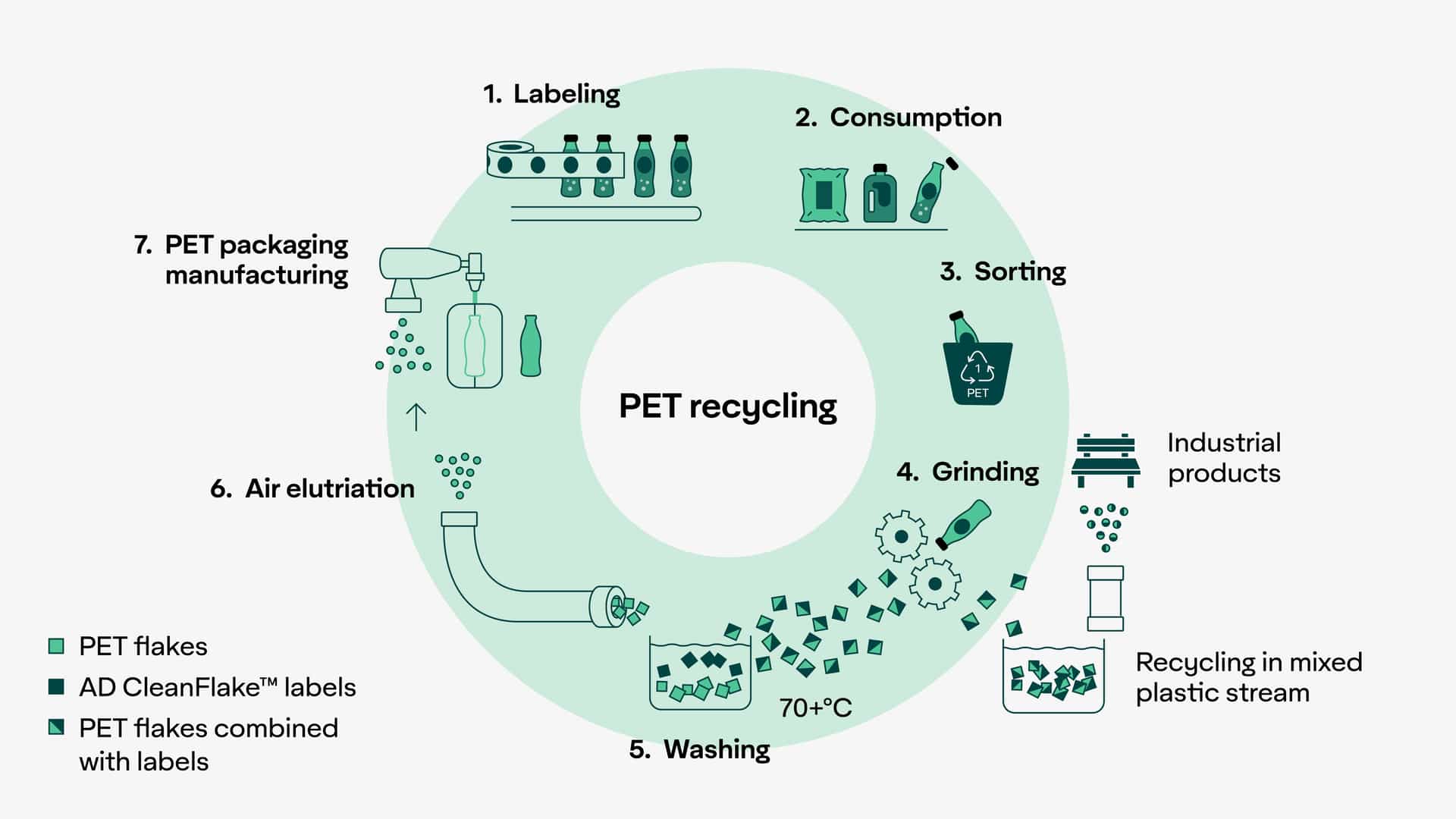
PET bottles
- Sorted into a dedicated stream for bottle-grade PET
- Can be recycled into new bottles or other packaging applications
- Separated by color to maintain material quality during reprocessing
PET trays
- Collected and baled before sorting at recycling facilities
- Made with different PET formulations and IV than bottles
- More likely to contain food residues that affect processing
Our solutions


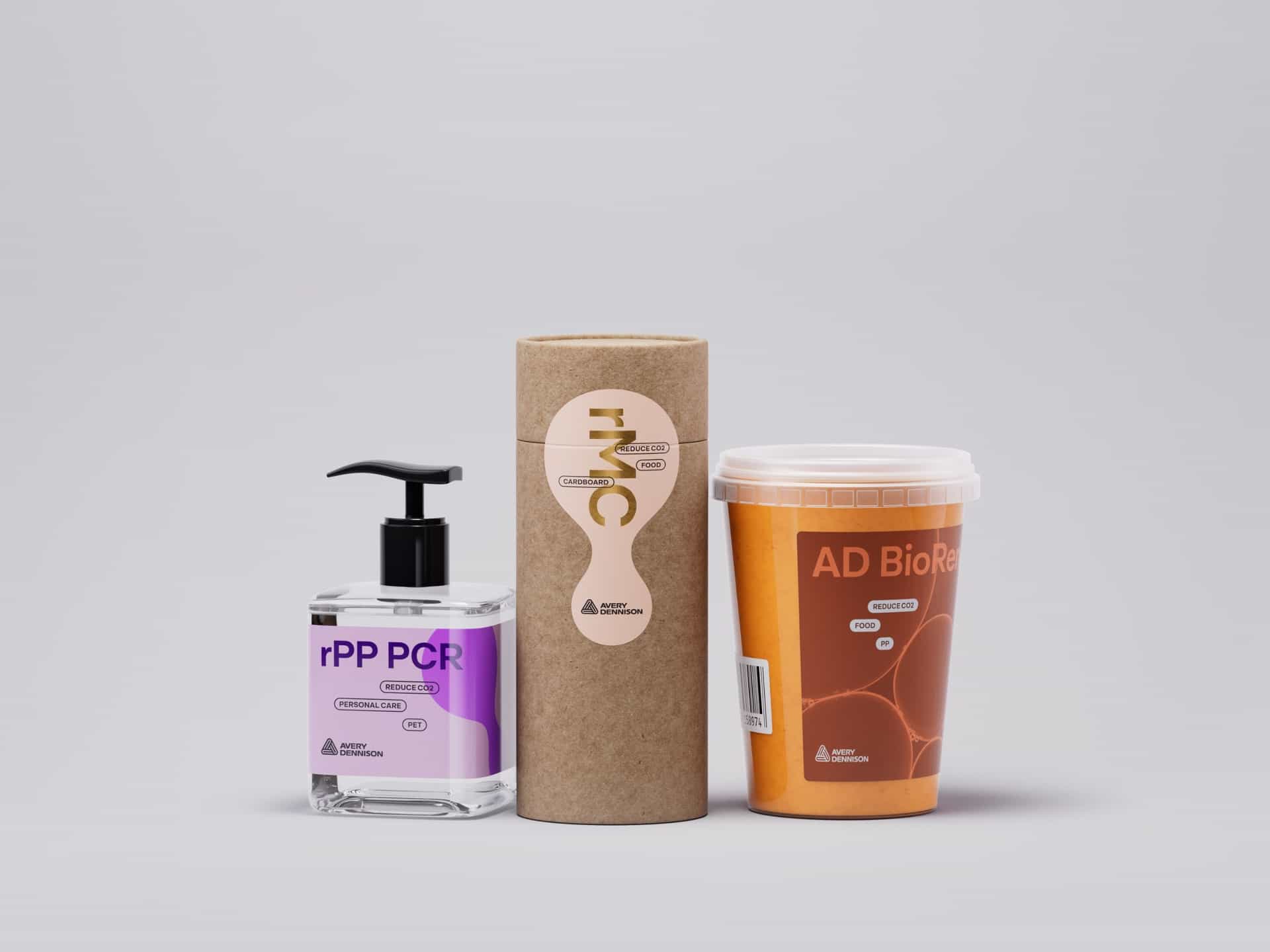
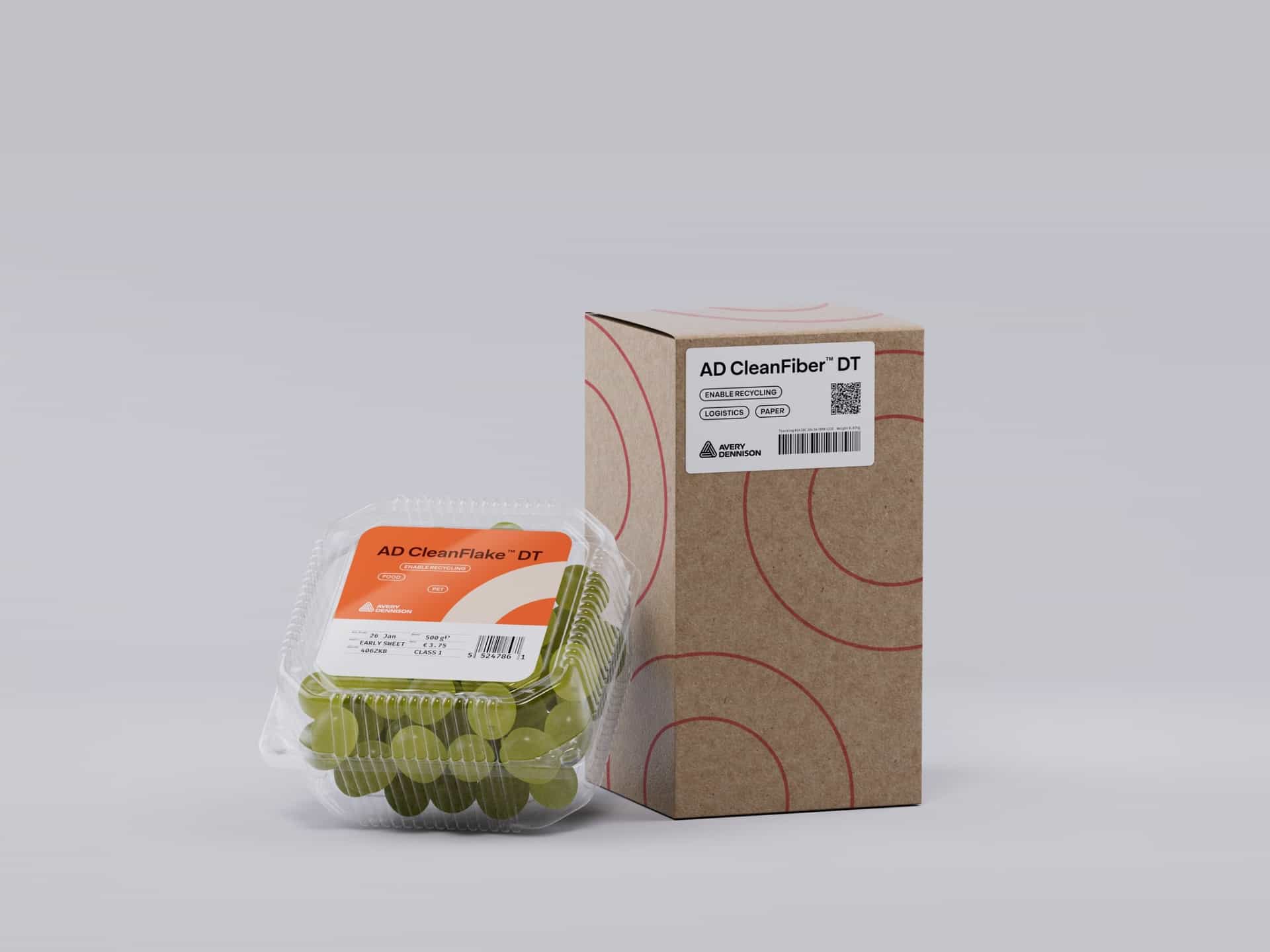

Ready to discuss your project?
Let's connect! Liselotte den Ouden brings many years of experience to her role as product manager for films at Avery Dennison Materials Group. She focuses on the technical and market challenges presented by new packaging guidelines and regulations and helps develop products that support sustainability requirements.
Dive deeper